Table of Contents
Transform Your Life: The Definitive Guide to Yoga Habit Building Programs in Chennai
In our fast-paced urban world, a common problem highlights the struggle of modern wellness: the gap between intention and execution.
Thousands of busy professionals, parents, and students across Chennai start every month with a strong desire to live a healthier life. They buy premium yoga mats, download top-rated fitness apps, and resolve to practice daily. Yet, within a couple of weeks, early morning fatigue, late nights at the office, and the sheer exhaustion of navigating traffic on Mount Road or the OMR IT corridor derail their plans.
If this cycle sounds familiar, your main challenge isn’t a lack of willpower—it is the absence of a structured system for building habits.
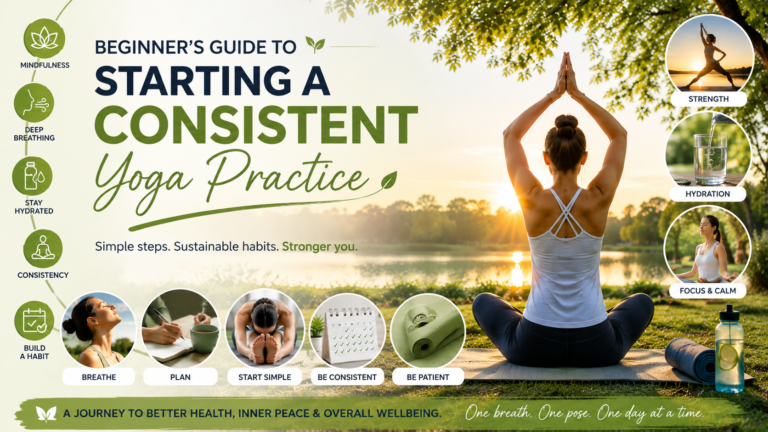
Traditional yoga classes often assume you already have the discipline to show up consistently. In contrast, specialized Yoga Habit Building Programs in Chennai are intentionally designed to help you build that consistency from the ground up. This comprehensive guide breaks down the behavioral science, structural design, top local options, and practical steps you need to establish a lifelong, daily yoga practice right here in Chennai.
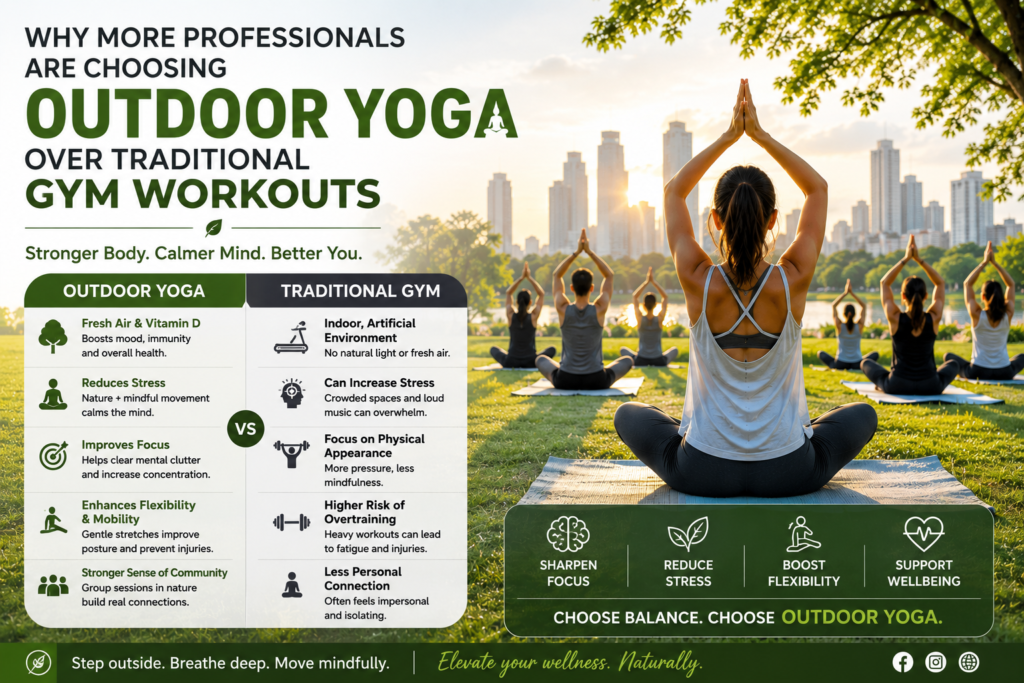
The Core Problem: Why Standard Fitness Resolutions Fail
Most people fail to stick with a new fitness routine because they try to change too much, too fast. This is known in behavioral psychology as the “Motivation Trap.”
   TYPICAL RESIGNATION CYCLE:
   High Motivation ──► Unrealistic Goals ──► Physical Exhaustion ──► Burnout/Drop out
When you attempt an intense, 90-minute advanced power yoga session after years of a sedentary lifestyle, you encounter several immediate roadblocks:
- Severe Delayed Onset Muscle Soreness (DOMS): Your muscles and connective tissues feel painful, making the next day’s practice feel like a chore.
- Psychological Friction: The sheer effort required to face a complex, difficult routine drains your mental energy.
- Lack of Environmental Support: Your daily environment isn’t optimized to remind or encourage you to practice.
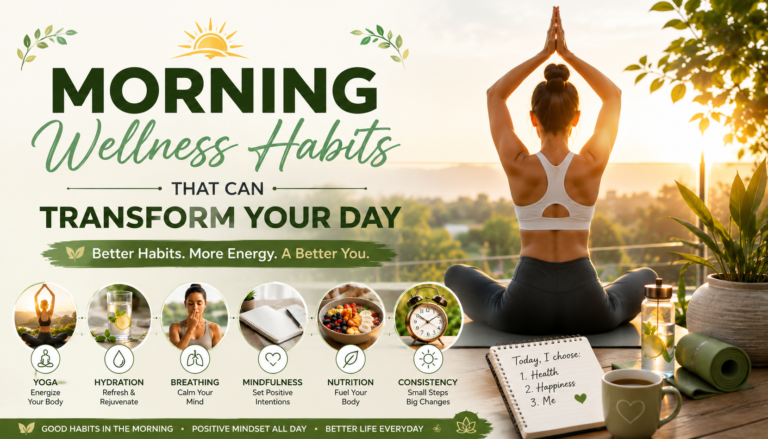
Habit-building programs reverse this approach. They leverage proven psychological concepts—such as habit stacking, micro-steps, and identity shifts—to make showing up on the mat feel as natural and automatic as brushing your teeth.
The Behavioral Science Behind Yoga Habit Formation
True habit-building programs are grounded in neuroscience and behavioral psychology. They operate by systematically engineering the Habit Loop, which consists of four key stages:
          ┌──────────────┐         ┌──────────────┐
          │    1. CUE    ├────────►│   2. CRAVING │
          └──────▲───────┘         └──────┬───────┘
                 │                        │
                 │                        ▼
          ┌──────┴───────┐         ┌──────────────┐
          │  4. REWARD   │◄────────┤ 3. RESPONSE  │
          └──────────────┘         └──────────────┘
1. The Cue (The Trigger)
A cue is a specific sensory trigger that tells your brain to launch a behavior. In standard yoga classes, cues are often vague, like “I will practice tomorrow morning.” A habit program helps you anchor your practice to an existing, non-negotiable daily anchor. For example: “Right after I pour my morning cup of water, I will unfold my yoga mat.”
2. The Craving (The Motivation)
The craving is the internal desire for the change in state that the habit provides. Habit programs shift your focus away from distant, long-term goals (such as losing 10 kilograms) and point it toward immediate, feel-good milestones: the relaxing sensation of a deep spinal twist or the mental clarity that follows structured breathwork (Pranayama).
3. The Response (The Practice)
The response is the actual habit you perform. If the response requires more physical or mental effort than your current energy levels can support, your brain will reject it. Habit programs solve this by starting with micro-sessions—often just 15 to 20 minutes of accessible movement—to make starting as easy as possible.
4. The Reward (The Reinforcement)
The reward satisfies your initial craving and teaches your brain which actions are worth repeating. In a dedicated community group, this reward can be as simple as checking off a habit tracker or sharing your progress with a supportive group of fellow practitioners.
What Makes an Effective Habit-Building Program?
When researching premium wellness institutes and academies across Chennai, look for these five foundational features that separate generic fitness classes from genuine habit-forming systems:
A Structured, Time-Bound Blueprint
Look for courses structured around specific, time-bound goals—such as 21-day challenges or 6-week transformation programs. Behavioral research shows that clear, distinct milestones reduce decision fatigue and give your mind a tangible finish line to work toward.
Incremental Progression (The Micro-Step Strategy)
A well-designed program will not throw you into complex handstands or intense sequences on day one. It begins with basic joint mobilization exercises (Pavanamuktasana series or Sukshma Vyayama), slowly layering in core strength, flexibility, and advanced techniques as your tissue tolerance and confidence naturally build.
Comprehensive Habit Architecture
The institute should provide practical tools to track and protect your progress, such as:
- Physical or digital habit compliance trackers.
- Guides on setting up a dedicated, clutter-free practice space at home.
- Techniques to modify and shorten your practice on low-energy days so you keep your streak alive.
Accountability and Group Dynamics
Human beings are deeply social creatures. We are far more likely to stick to a commitment when we are part of a community. High-quality programs match you with an accountability partner or place you in curated peer support groups to share insights, celebrate small wins, and encourage you when your motivation dips.
Holistic Integration
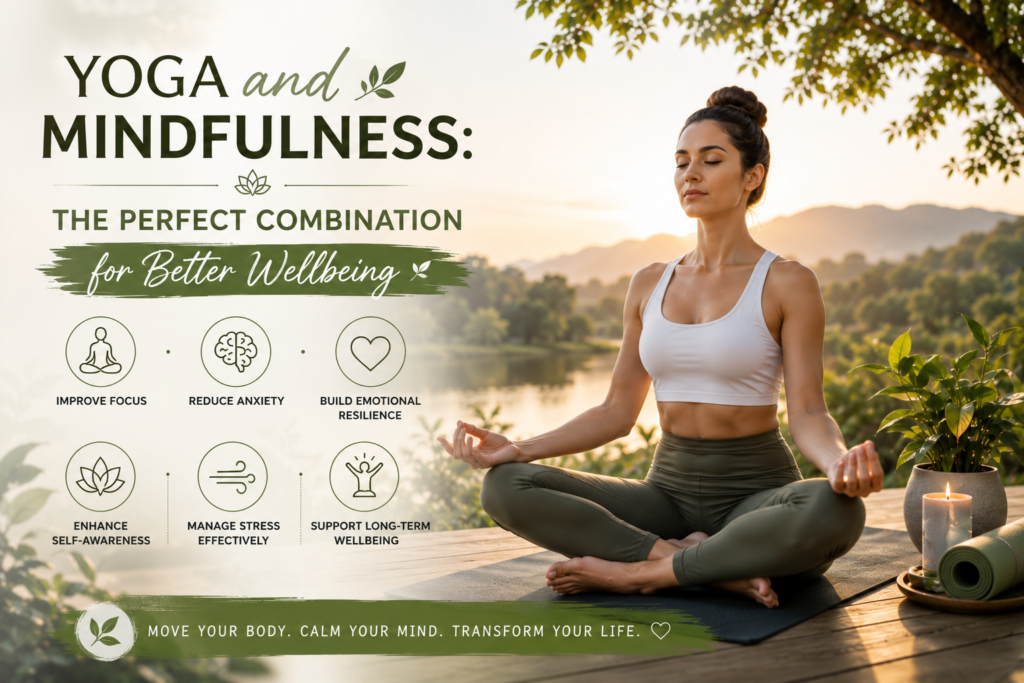
A truly sustainable yoga practice goes far beyond physical poses (asanas). A comprehensive program seamlessly introduces lifestyle adjustments, including yogic nutrition principles, sleep hygiene optimizations, and mindfulness techniques designed to handle daily work stress.
Top Contextual Approaches to Yoga Habit Programs in Chennai
Chennai is a historical epicenter of global yoga education, home to legendary lineages that emphasize personalized care and therapeutic caution. Residents have access to a rich variety of approaches:
1. Classical Institutions & Lineages
- Krishnamacharya Yoga Mandiram (KYM – Mandaveli): Universally respected for pioneering Viniyoga—the practice of tailoring yoga to the unique structural and emotional needs of the individual. KYM’s structured individual study programs are perfect for building a deeply customized, safe, and highly sustainable lifelong personal practice.
- Andiappan Yoga College & Research Centre (Anna Nagar / Online): With a lineage stretching back over 70 years, this institution specializes in highly structured, scientifically backed progression paths. Their sequential courses are ideal for practitioners who appreciate an organized, step-by-step curriculum to measure their growth.
2. Modern Open-Air & Nature Foundations
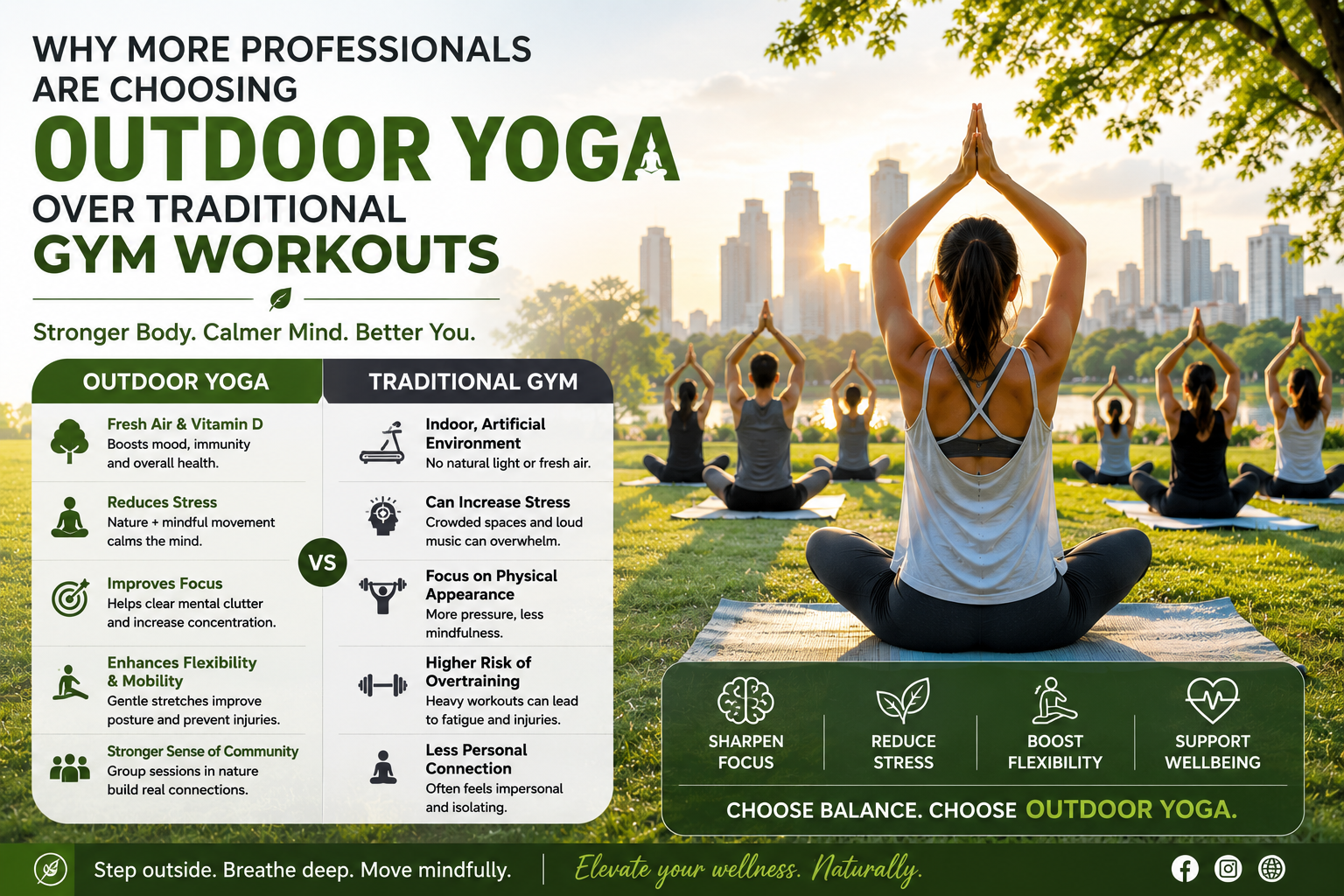
- Outdoor Yoga Chennai (OYC – Besant Nagar, Adyar, Thiruvanmiyur, Kilpauk): OYC has transformed how Chennai residents view lifestyle wellness by taking yoga out of stuffy rooms and moving it into natural, open-air settings. Practicing amidst coastal cross-breezes and natural sunlight provides a sensory reward that helps beginners stick with their routine. Their community-driven meetups build strong social bonds that keep members showing up week after week.
3. Integrated Tech & Corporate Wellness Hubs
- Cult.fit Centers & Hybrid Platforms: For busy tech professionals in areas like Perungudi, Taramani, and Sholinganallur, hybrid platforms offer a highly practical choice. Their apps feature automated streak counters, seamless booking across multiple physical locations, and short, high-energy sessions that fit easily into an unpredictable corporate schedule.
21-Day Habit Transformation Blueprint
For anyone looking to build a lasting routine, this practical 21-day timeline is designed to build momentum systematically while keeping physical and mental burnout at bay:
1.Phase 1: Establishing the Anchor & Friction Reduction:Days 1 to 7.
Focus entirely on showing up at the exact same time and place every day. Keep your physical sessions short—just 15 to 20 minutes. Stick to simple joint release exercises (Sukshma Vyayama) and foundational deep breathing (Pranayama). Your goal this week is not a hard workout; it is simply proving to your brain that you can step onto the mat daily without feeling overwhelmed.
2.Phase 2: Building Core Structural Strength:Days 8 to 14.
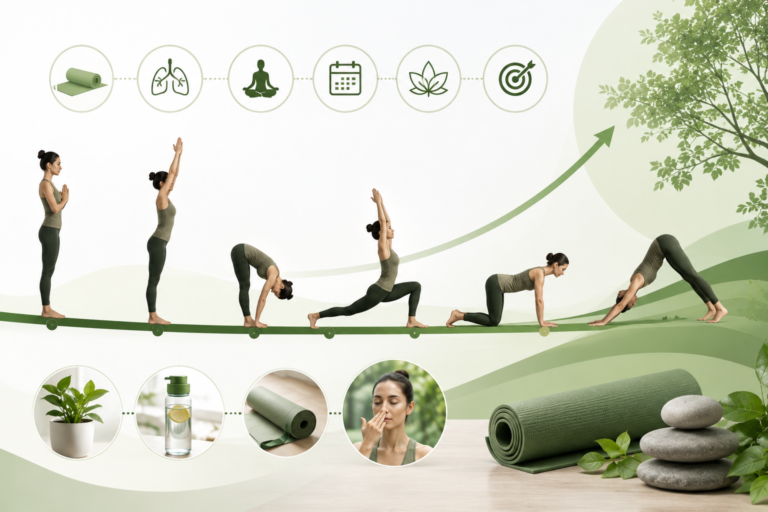
Now that the act of stepping onto the mat feels familiar, increase your session length to 30 or 40 minutes. Introduce foundational, full-body sequences such as the Classic Sun Salutations (Surya Namaskar). Focus on matching your movement with your breath, building functional core stability, and enhancing your physical stamina.
3.Phase 3: Deepening Focus & Identity Anchoring:Days 15 to 21.
Expand your practice to include longer held postures (asanas), targeted balance poses (like the Tree Pose / Vrikshasana), and introductory guided meditation sessions. Shift your mental focus from ‘trying to build a habit’ to embracing an identity shift: “I am someone who takes care of my mind and body every morning.”
Setting Up Your Space for Routine Success
The design of your immediate environment plays a major role in your consistency. If you have to clean a messy room, move heavy furniture, and hunt for your gear every single morning, you will likely skip your practice. Use this checklist to design a low-friction home sanctuary:
- Mat Placement: Keep your yoga mat unrolled if you have a dedicated room, or place it right next to your bed where it is the first thing you see when you wake up.
- Visual Cues: Place a supportive yoga block, a clean strap, or a comforting wellness book nearby. These act as immediate, silent reminders for your mind.
- Acoustic & Air Setup: Pick a quiet corner with good airflow. If you enjoy a calming atmosphere, consider adding a diffuser with subtle, natural essential oils like lavender or lemongrass to signal to your brain that it’s time to relax.
Comparative Overview: Finding Your Program Fit
| Program Style | Ideal Candidate | Focus Area | Expected Time Commitment |
| Classical Lineage Individualized Study | Beginners with injuries or structural pain | Precise alignment, therapy, customized modifications | 45-60 mins, 3 days a week |
| Community Open-Air Meetups | Social individuals who love nature and group support | Cardiovascular health, vitamin D boost, community accountability | 60 mins, weekend intensive / early mornings |
| Corporate Hybrid Programs | Busy professionals with unpredictable schedules | Core conditioning, stress reduction, flexible scheduling | 30-45 mins, high frequency (4-5 days/wk) |
Overcoming Predictable Obstacles: The “Never Miss Twice” Rule
Even with the most scientifically optimized habit-building program, life will occasionally get in the way. A late-night project, an early morning flight from Chennai International Airport, or an unexpected change in your schedule can break your streak.
When this happens, remember the “Never Miss Twice” rule:
Missing one session is an accident. Missing two sessions in a row is the start of a new, undesirable habit.
If you are short on time or feeling completely exhausted, do not skip the day entirely. Instead, perform a micro-dose practice:
- Unroll your mat and spend just 5 minutes doing deep child’s poses (Balasana).
- Sit quietly and complete 10 rounds of alternate nostril breathing (Nadi Shodhana).
By performing even a simplified version of your routine, you preserve the psychological cue-and-response loop, keeping your momentum alive until your schedule settles down.
Long-Term Health and Lifestyle Rewards
Sticking with a structured yoga routine brings deep, lasting changes that touch every part of your lifestyle:
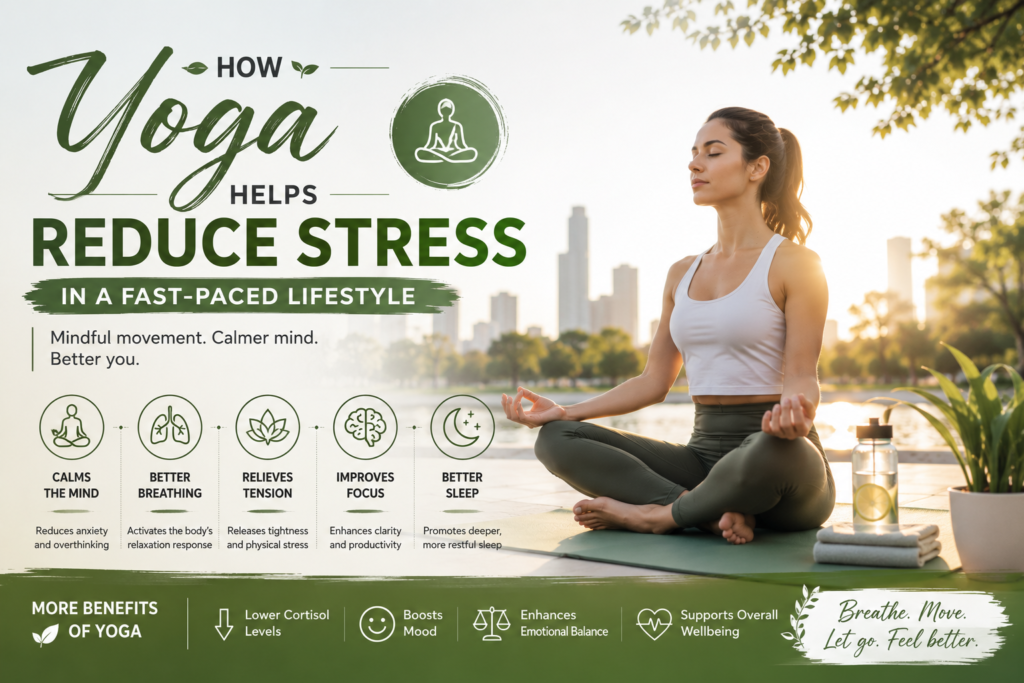
- Nervous System Regulation: Consistent practice shifts your body out of chronic, high-stress “fight-or-flight” mode and into a calm, balanced parasympathetic state, which improves digestion and sleep quality.
- Structural and Postural Alignment: Yoga strengthens weak core and back muscles while lengthening tight hamstrings and chest tissues, helping reverse the chronic strain of sitting at an office desk all day.
- Emotional Resilience: The patience and focus you practice on the mat naturally carry over into your daily life, helping you navigate urban stress, long commutes, and professional challenges with a calm, clear mind.
Building a lifelong yoga practice is not about achieving a flawless pose on day one; it is about the quiet discipline of returning to your mat day after day. By choosing a dedicated habit-building program that fits your lifestyle, setting up a low-friction environment, and utilizing smart behavioral strategies, you can transform yoga from a fleeting resolution into an effortless, lifelong pillar of health.