
Table of Contents
Public EV Charging Station in Hyderabad | Fast & Reliable EV Charging
A Public EV Charging Station in Hyderabad provides electric vehicle owners with safe, convenient, and accessible charging facilities at commercial areas, highways, shopping malls, office complexes, parking facilities, hotels, hospitals, and other public locations. These charging stations support the growing adoption of electric vehicles by offering reliable AC and DC charging options for personal, commercial, and fleet vehicles.
Electric mobility is rapidly transforming urban transportation across India, and Hyderabad has become one of the leading cities embracing this transition. As electric cars, SUVs, taxis, delivery vehicles, buses, and two-wheelers become increasingly common, dependable charging infrastructure has become a critical component of the city’s transportation ecosystem.
Unlike home charging, public charging stations provide convenient access to electricity for drivers while they are commuting, shopping, working, travelling, or managing business operations. These stations help reduce range anxiety and enable longer journeys by making charging more accessible throughout the city.
Whether serving daily commuters, commercial fleet operators, tourists, or business travelers, a Public EV Charging Station in Hyderabad plays an important role in supporting clean, sustainable transportation while encouraging wider electric vehicle adoption.
What is a Public EV Charging Station?
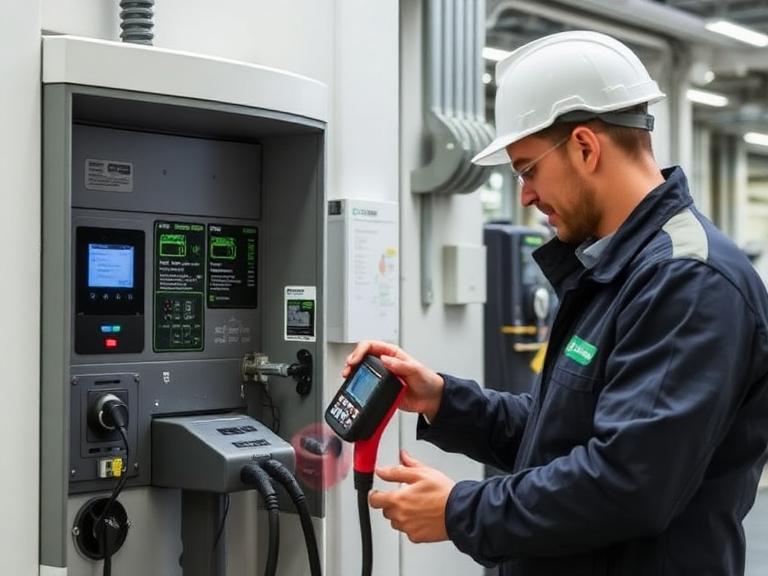
A public EV charging station is a dedicated facility where electric vehicle owners can recharge their vehicles using professionally installed charging equipment. These stations are accessible to the public and are commonly located in areas with high vehicle traffic and convenient parking.
A modern public charging station may include:
- AC charging points
- DC fast chargers
- Multiple charging connectors
- Smart payment systems
- User authentication
- Real-time charger monitoring
- Mobile application integration
- Remote diagnostics
- Energy management systems
- Safety protection mechanisms
Public charging infrastructure is designed to accommodate different vehicle models while providing reliable and efficient charging services.
Why Public EV Charging Stations Matter
The success of electric mobility depends not only on vehicle availability but also on the accessibility of charging infrastructure.
Public charging stations help address several common challenges faced by EV users.
Reduced Range Anxiety
One of the primary concerns for EV owners is running out of battery before reaching a destination. Public charging stations strategically located across Hyderabad allow drivers to recharge during their journeys, making longer trips more practical and convenient.
Greater Convenience
Public charging enables vehicle owners to recharge while carrying out everyday activities such as:
- Shopping
- Dining
- Working
- Attending meetings
- Visiting hospitals
- Staying at hotels
- Watching movies
- Travelling on highways
Charging during these activities makes efficient use of time without requiring a separate stop solely for charging.
Support for Residents Without Private Parking
Many urban residents live in apartments or buildings where installing a private charger may not be immediately feasible. Public charging stations provide these users with dependable access to charging facilities whenever needed.
Business Opportunities
Public charging stations attract EV-driving customers to commercial properties.
Businesses benefit through:
- Increased visitor footfall
- Longer customer dwell time
- Enhanced sustainability initiatives
- Improved property value
- Additional customer amenities
Hyderabad’s Growing EV Ecosystem
Hyderabad continues to witness significant growth in electric vehicle adoption across both personal and commercial segments.
Several factors contribute to this expansion:
- Increased consumer awareness
- Expansion of EV models
- Corporate sustainability initiatives
- Growth of electric delivery fleets
- Ride-sharing electrification
- Improved charging technology
- Government support for EV infrastructure
- Rising fuel prices encouraging EV adoption
As more electric vehicles enter the roads, expanding public charging infrastructure becomes increasingly important to meet growing demand.
Where Public EV Charging Stations Are Installed
Public charging stations can be deployed across a wide variety of locations to maximize accessibility for EV users.
Shopping Malls
Shopping centers are among the most suitable locations for public charging because customers often spend considerable time inside the premises.
Benefits include:
- Convenient charging while shopping
- Increased visitor satisfaction
- Longer customer visits
- Enhanced property value
Corporate Office Campuses
Many organizations provide charging facilities for employees and visitors.
Advantages include:
- Employee convenience
- Support for corporate sustainability goals
- Improved workplace amenities
- Encouragement of EV adoption among staff
Hotels and Resorts
Hotels can offer charging facilities to guests travelling in electric vehicles.
Benefits include:
- Enhanced guest experience
- Attraction of eco-conscious travelers
- Competitive differentiation
- Support for overnight charging
Hospitals
Healthcare facilities serve patients, visitors, and staff throughout the day, making them ideal locations for accessible public charging infrastructure.
Educational Institutions
Universities, colleges, and campuses can support sustainable transportation by providing EV charging facilities for faculty, students, and visitors.
Public Parking Areas
Municipal parking lots, commercial parking facilities, and multi-level parking structures are ideal locations because vehicles remain parked for extended periods.
Highway Rest Stops
Long-distance EV travel depends heavily on strategically located fast-charging stations along highways and expressways.
These charging hubs help drivers continue their journeys with minimal delays.
Fuel Stations
Traditional fuel stations are increasingly incorporating EV charging alongside conventional fueling services, supporting the gradual transition toward electric mobility.
Types of Public EV Chargers
Different charging technologies serve different user requirements.
AC Public Chargers
AC chargers are suitable for locations where vehicles remain parked for longer durations.
Common installation sites include:
- Apartments
- Offices
- Hotels
- Shopping centers
- Educational institutions
Advantages:
- Lower installation costs
- Efficient overnight charging
- Suitable for regular daily use
- Lower infrastructure requirements
DC Fast Chargers
DC fast chargers provide significantly faster charging speeds.
These chargers are commonly installed at:
- Highways
- Commercial charging hubs
- Fleet depots
- Public charging corridors
- Large parking facilities
Benefits include:
- Rapid charging
- Reduced waiting time
- High vehicle turnover
- Support for commercial operations
Key Features of Modern Public EV Charging Stations
Today’s public charging infrastructure incorporates advanced technology to improve user experience and operational efficiency.
Popular features include:
- Multiple charging connectors
- Smart energy management
- Mobile application support
- RFID authentication
- QR code payments
- Remote monitoring
- Real-time charger availability
- Cloud connectivity
- Automatic software updates
- Usage analytics
- Load balancing
- Secure access management
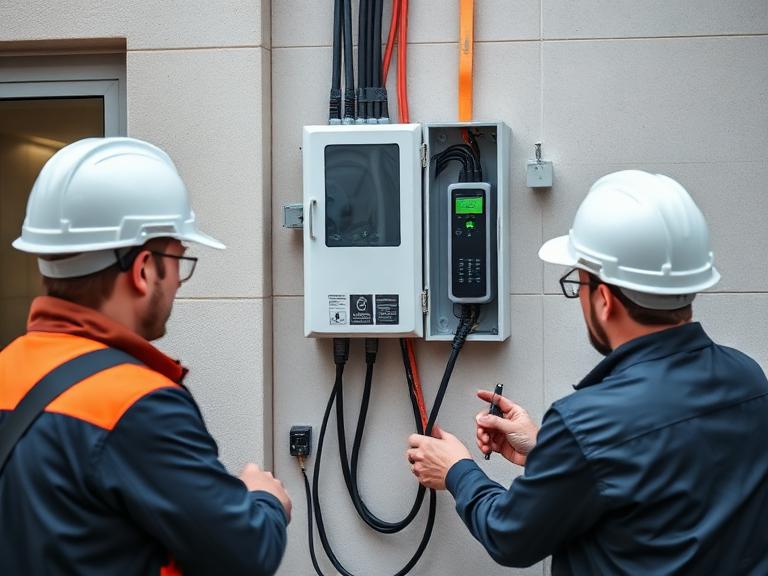
These intelligent capabilities help operators manage charging stations efficiently while providing users with a seamless charging experience.
Benefits of Public EV Charging Stations
Improved Accessibility
Drivers can charge their vehicles throughout the city without relying solely on residential charging facilities.
Supports Commercial Fleets
Delivery services, logistics companies, ride-hailing platforms, and corporate fleets benefit from reliable charging access during daily operations.
Encourages EV Adoption
The availability of convenient public charging infrastructure gives potential EV buyers greater confidence to transition from conventional fuel vehicles.
Environmental Benefits
Public charging infrastructure supports cleaner transportation by enabling greater use of electric vehicles, contributing to reduced tailpipe emissions and improved urban air quality.
Economic Growth
The expansion of public EV charging networks creates opportunities for infrastructure development, technology providers, maintenance services, property owners, and businesses seeking to attract EV users.
Industries Benefiting from Public EV Charging
A wide range of industries can integrate public EV charging into their operations:
- Retail and Shopping Centers
- Hospitality and Hotels
- Healthcare Facilities
- Educational Institutions
- Corporate Offices
- IT Parks
- Airports
- Metro Stations
- Logistics and Fleet Operations
- Industrial Parks
- Government Buildings
- Tourist Attractions
- Public Parking Operators
- Fuel Retailers
Each of these sectors can improve customer convenience while supporting the broader transition to sustainable transportation.
Why Professional Planning Matters
Establishing a successful public EV charging station involves more than installing charging equipment. Factors such as site selection, electrical capacity, charger type, user demand, safety standards, network connectivity, and future scalability all influence long-term performance and user satisfaction.
Experienced providers like ZyCharge Energies Pvt. Ltd. assist businesses and property owners with planning, deploying, and maintaining charging infrastructure that aligns with operational needs and supports Hyderabad’s growing electric mobility ecosystem.
How Public EV Charging Stations Work
A public EV charging station is designed to deliver electricity safely and efficiently to electric vehicles through a standardized charging process. Modern charging stations combine charging hardware, software, communication systems, payment gateways, and safety mechanisms to provide a seamless experience for EV users.
The typical charging workflow includes:
- Driver arrives at the charging station.
- Vehicle is parked in a designated charging bay.
- Appropriate charging connector is selected.
- User authenticates using a mobile application, RFID card, QR code, or other supported method.
- Charging session begins after system verification.
- Charging progress is monitored in real time.
- Payment is completed based on the charging session.
- The charger automatically ends the session once charging is complete or the user stops it.
This streamlined process makes public charging accessible for both first-time and experienced EV owners.
Step-by-Step Guide to Using a Public EV Charging Station
Step 1: Locate a Charging Station
Drivers can identify nearby charging stations through charging network apps, navigation systems, or in-vehicle software.
Factors to consider include:
- Charger availability
- Charging speed
- Connector compatibility
- Distance from the current location
- Estimated charging time
Step 2: Park the Vehicle
Park the vehicle within the marked charging bay, ensuring the charging port is easily accessible.
Proper parking helps maintain safety and allows efficient access for other users.
Step 3: Connect the Charger
Select the compatible charging connector and securely connect it to the vehicle.
Modern charging stations often support multiple connector standards to accommodate different EV models.
Step 4: Authenticate the Session
Charging sessions may be initiated using:
- Mobile applications
- RFID cards
- QR code scanning
- Contactless payment systems
- Fleet management platforms
Authentication helps manage user access and billing accurately.
Step 5: Monitor Charging
Users can monitor:
- Charging progress
- Battery percentage
- Energy consumption
- Estimated completion time
- Session cost
Many smart charging systems also provide real-time notifications.
Step 6: Complete Charging
Once charging is complete:
- Disconnect the charging cable safely.
- Return the connector to its holder.
- Vacate the charging bay promptly to allow access for other EV users.
Responsible charging etiquette helps improve charger availability.
Public AC Chargers vs DC Fast Chargers
Understanding the differences between AC and DC charging helps users choose the most appropriate charging option.
| Feature | AC Public Charger | DC Fast Charger |
|---|---|---|
| Charging Speed | Moderate | Very Fast |
| Typical Charging Time | Longer | Significantly Shorter |
| Installation Cost | Lower | Higher |
| Best Locations | Offices, Hotels, Apartments | Highways, Commercial Hubs, Fleet Depots |
| Vehicle Turnover | Moderate | High |
| Infrastructure Requirement | Standard | High Power Supply |
Both charger types play an essential role in developing a balanced public charging ecosystem.
Ideal Locations for Public EV Charging Stations
Successful charging stations are strategically placed where vehicles naturally remain parked or where drivers require convenient charging access.
Popular locations include:
Shopping Malls
Visitors can recharge their vehicles while shopping or dining.
Office Buildings
Employees and visitors can charge vehicles during working hours.
Hotels
Guests benefit from overnight charging during their stay.
Restaurants and Cafés
Charging during meals makes efficient use of waiting time.
Hospitals
Patients, visitors, and healthcare professionals can conveniently access charging facilities.
Airports
Long-duration parking areas are ideal for EV charging services.
Metro Stations
Commuters can charge vehicles while using public transport.
Highway Service Areas
Fast chargers support intercity travel and reduce range anxiety.
Tourist Attractions
Charging facilities improve convenience for visitors traveling longer distances.
Smart Technologies Used in Public EV Charging
Modern charging infrastructure increasingly relies on intelligent technologies that improve operational efficiency and user convenience.
Key features include:
- Mobile app integration
- Cloud connectivity
- Remote diagnostics
- Smart energy management
- Dynamic load balancing
- RFID authentication
- Contactless payments
- QR code activation
- Real-time charger availability
- Usage analytics
- Software updates
- Automated fault detection
These technologies simplify charging operations while enhancing the user experience.
Safety Standards for Public EV Charging Stations
Safety is a fundamental aspect of public charging infrastructure.
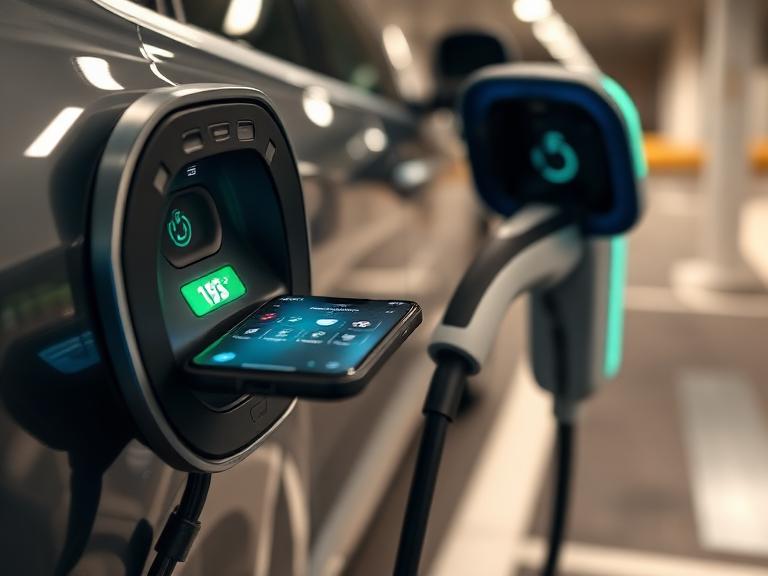
Professional installations incorporate measures such as:
- Proper earthing
- Circuit breakers
- Surge protection
- Residual Current Devices (RCDs)
- Emergency shut-off switches
- Weather-resistant enclosures
- Fire safety measures
- Cable management systems
- Regular inspection protocols
Routine maintenance helps ensure chargers remain safe and reliable throughout their operational life.
Factors to Consider Before Installing a Public EV Charging Station
Property owners and businesses should evaluate several factors before deploying public charging infrastructure.
Location Accessibility
Charging stations should be easily accessible to users without obstructing traffic flow.
Electrical Capacity
The existing electrical infrastructure should support the anticipated charging demand.
Parking Availability
Adequate parking space ensures safe vehicle access and minimizes congestion.
Future Expansion
Infrastructure should allow additional chargers to be installed as demand grows.
User Demand
Charging solutions should align with expected traffic, dwell times, and vehicle types.
Smart Connectivity
Reliable network connectivity supports monitoring, payment processing, and software updates.
Industries That Benefit from Public EV Charging
Public charging infrastructure creates value across many sectors.
Retail
Retail businesses attract EV owners who can charge while shopping, often increasing the time customers spend on-site.
Hospitality
Hotels and resorts provide additional convenience for guests traveling in electric vehicles.
Corporate Offices
Employee charging supports workplace sustainability and encourages EV adoption.
Healthcare
Hospitals and clinics can provide charging access for staff, patients, and visitors.
Education
Universities and colleges promote environmentally responsible transportation by offering charging facilities.
Fleet Operations
Commercial fleet operators benefit from dependable charging infrastructure that helps maximize vehicle availability.
Government Facilities
Public charging supports municipal sustainability initiatives while improving accessibility for EV users.
Common Challenges and Practical Solutions
High Initial Investment
Installing public charging infrastructure involves equipment, electrical upgrades, and installation costs.
Solution: Plan scalable deployments that allow phased expansion based on demand.
Peak Power Demand
Multiple vehicles charging simultaneously can increase electricity demand.
Solution: Use smart load balancing and energy management systems to distribute available power efficiently.
Limited Space
Urban environments may have restricted parking capacity.
Solution: Optimize charger placement and use compact charging equipment where appropriate.
Equipment Downtime
Unexpected technical issues can affect charger availability.
Solution: Implement preventive maintenance schedules and remote monitoring to identify issues early.
Preventive Maintenance for Public Charging Stations
Regular maintenance helps ensure reliable performance and a positive user experience.
Maintenance activities typically include:
- Visual inspections
- Cable and connector checks
- Electrical testing
- Cleaning charging equipment
- Firmware updates
- Network diagnostics
- Safety inspections
- Performance verification
- Replacement of worn components
Well-maintained charging stations experience fewer interruptions and longer equipment life.
Future of Public EV Charging in Hyderabad
As electric mobility continues to expand, public charging infrastructure is expected to become increasingly sophisticated.
Future developments may include:
- Higher-capacity fast chargers
- Ultra-fast charging technologies
- Smart grid integration
- Renewable energy integration
- Battery energy storage systems
- AI-assisted energy management
- Vehicle-to-Grid (V2G) capabilities
- Automated charger diagnostics
- Wider charging network coverage
- Enhanced interoperability between charging networks
These innovations will contribute to a more efficient, resilient, and user-friendly charging ecosystem.
Why Choose ZyCharge Energies Pvt. Ltd.
Developing a reliable public charging station requires expertise in planning, electrical infrastructure, installation, and long-term operations.
ZyCharge Energies Pvt. Ltd. provides end-to-end EV charging infrastructure solutions, including AC EV chargers, DC fast chargers, charging station setup, Charge Point Operator (CPO) services, installation, preventive maintenance, and customized charging solutions for commercial properties, fleet operators, residential communities, workplaces, and highway locations. With a focus on quality, safety, and scalability, ZyCharge helps customers build charging infrastructure that supports the evolving needs of electric mobility.
Frequently Asked Questions
1. What is a public EV charging station?
A public EV charging station is a facility where electric vehicle owners can recharge their vehicles using professionally installed charging equipment available to the general public.
2. Who can use public EV charging stations?
Most public charging stations are accessible to EV owners, fleet operators, commercial drivers, and visitors, subject to the operator’s access policies.
3. What is the difference between AC and DC public chargers?
AC chargers are generally suited for longer parking durations, while DC fast chargers provide quicker charging for users who need shorter charging times.
4. How long does charging usually take?
Charging time depends on factors such as charger type, battery capacity, vehicle specifications, and the battery’s current state of charge.
5. Are public charging stations safe?
Yes. Professionally installed public charging stations incorporate multiple electrical safety systems and undergo routine maintenance to support safe operation.
6. Can businesses install public charging stations?
Yes. Commercial properties, hotels, shopping centers, office campuses, and other businesses can provide public charging facilities for customers and visitors.
7. Do public charging stations require internet connectivity?
Many smart charging systems use network connectivity for monitoring, billing, software updates, and remote management, although specific requirements vary by system.
8. How often should charging stations be maintained?
Routine inspections and preventive maintenance should be carried out according to the manufacturer’s recommendations and operational requirements.
9. Can charging infrastructure be expanded later?
Yes. Properly planned charging systems can be designed to accommodate additional chargers as demand increases.
10. Why are public EV charging stations important?
Public charging stations improve charging accessibility, reduce range anxiety, support EV adoption, and contribute to the development of sustainable transportation infrastructure.
Conclusion
The continued growth of electric mobility in Hyderabad depends on the availability of reliable, accessible, and scalable public charging infrastructure. Public EV charging stations enable drivers to travel confidently, support businesses in attracting EV users, and provide the essential backbone needed for expanding electric transportation.
Whether installed at shopping centers, hotels, office campuses, highways, hospitals, educational institutions, or public parking facilities, professionally designed charging stations help create a convenient and dependable charging experience.
As Hyderabad moves toward a cleaner and more sustainable transportation future, investing in well-planned public EV charging infrastructure today will help meet the evolving needs of EV users while supporting long-term urban mobility goals.