Table of Contents
Advanced Acne Treatment in Hyderabad | Expert Dermatologist & Laser Care
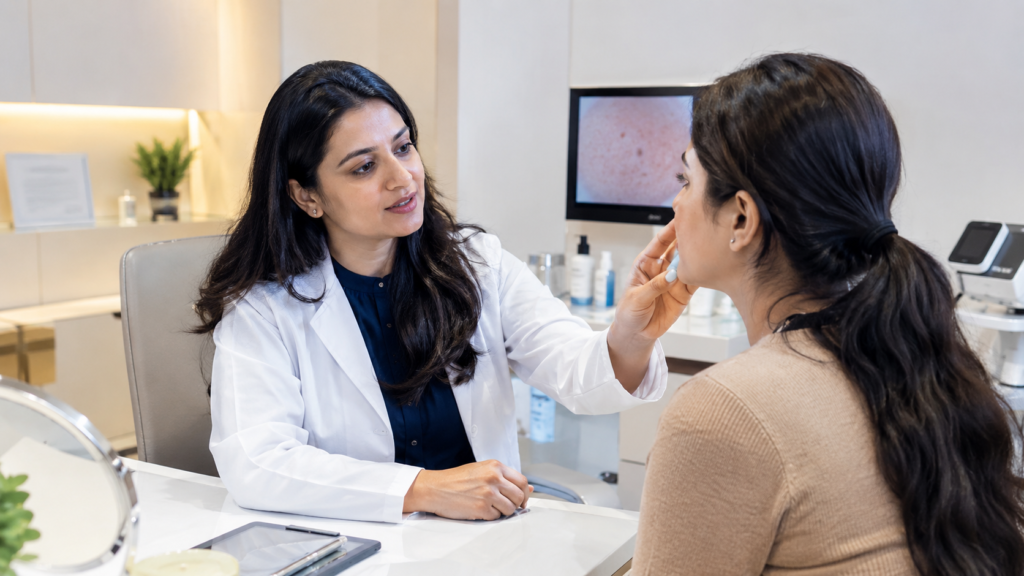
Acne vulgaris is one of the most prevalent skin conditions in urban centers across India. Whether you are dealing with persistent teenage breakouts, adult hormonal flare-ups, or stubborn post-acne scarring, seeking timely Acne Treatment in Hyderabad can transform skin health and restore confidence.
Hyderabad’s unique environmental mix—ranging from dry summer heat to intense humidity during monsoons, combined with high pollution levels in tech corridors like HITEC City, Gachibowli, and Madhapur—creates an environment ripe for sebum overproduction, clogged pores, and bacterial proliferation.
Understanding the underlying mechanisms of acne, selecting appropriate clinical therapies, and working with expert MD dermatologists are critical steps toward achieving smooth, healthy, and blemish-free skin.
1. Understanding Acne Vulgaris: Causes and Pathology
Acne is not merely a cosmetic inconvenience; it is a complex, multifactorial inflammatory disorder of the pilosebaceous unit (comprising the hair follicle and its associated oil gland). To choose the right Acne Treatment in Hyderabad, it is essential to understand the four primary factors that drive acne development:
Sebum Hypersecretion
Androgen hormones stimulate the sebaceous glands to produce excess sebum (oil). In tropical and semi-arid climates like Hyderabad, ambient heat further increases sebum secretion rates.
Follicular Hyperkeratinization
Normal skin sheds dead cells continuously. In acne-prone individuals, dead skin cells stick together inside the pore due to excess oil, forming a microcomedone (a microscopic plug).
Microbial Colonization (Cutibacterium acnes)
The trapped sebum creates an anaerobic (oxygen-deprived) environment where Cutibacterium acnes (C. acnes), a naturally occurring skin bacterium, multiplies rapidly.
Inflammatory Cascade
The overgrowth of bacteria triggers the body’s immune response, releasing inflammatory cytokines that lead to red, swollen, painful papules, pustules, nodules, and cysts.
[ Hormonal / Environmental Triggers ]
                 │
                 ▼
     [ Excess Sebum Production ]
                 │
                 ▼
[ Dead Skin Cells Plug Hair Follicle ] ──► (Comedone Formation)
                 │
                 ▼
  [ Rapid *C. acnes* Colonization ]
                 │
                 ▼
    [ Inflammatory Response ] ──► (Papules, Pustules, Cysts & Scars)
2. Grades of Acne and Clinical Severity
Dermatologists classify acne into four distinct grades to determine the precise medical strategy needed:
| Acne Grade | Clinical Features | Primary Characteristics | Recommended Clinical Approach |
| Grade 1 (Mild) | Non-inflammatory | Comedones (Blackheads & Whiteheads), minor surface bumps | Topical Retinoid, Salicylic Acid peels, basic extractions |
| Grade 2 (Moderate) | Mildly inflammatory | Multiple open/closed comedones, frequent papules, occasional pustules | Topicals + Topical Antibiotics, Chemical Peels (BHA), LED light |
| Grade 3 (Severe) | Strongly inflammatory | Numerous papules, pustules, and deep-seated painful nodules | Oral Retinoids (Isotretinoin), oral antibiotics, advanced peels |
| Grade 4 (Cystic) | Extensive damage | Deep, painful cysts, interconnected abscesses, severe scar risk | Systemic Isotretinoin, Intralesional Injections, Laser Therapy |
3. Comprehensive Acne Treatment Options Available in Hyderabad
Top-tier skin clinics across Hyderabad offer evidence-based, clinically tested protocols tailored to South Asian skin tones (Fitzpatrick Types IV to VI).
A. Medical Topical & Oral Therapies
Pharmacological intervention remains the foundation of active acne management:
- Topical Retinoids (Adapalene, Tretinoin, Tazarotene): Normalize skin cell turnover, prevent pore clogging, and smooth overall skin texture.
- Benzoyl Peroxide: Releases oxygen inside the pore to kill C. acnes bacteria without creating antibiotic resistance.
- Topical & Oral Antibiotics (Clindamycin, Doxycycline, Limecycline): Reduce bacterial load and systemic inflammation during acute flare-ups.
- Oral Isotretinoin: The gold-standard treatment for severe, cystic, or treatment-resistant acne. It shrinks sebaceous glands, drastically lowers oil output, and halts bacterial growth.
- Hormonal Regulation: Oral contraceptives or anti-androgens (e.g., Spironolactone) prescribed for adult females experiencing PCOS-related jawline acne.
B. Chemical Peels
Chemical peeling involves applying dermatological-grade organic acids to exfoliate controlled layers of skin, unclog pores, and fade dark spots:
- Salicylic Acid Peels (20% – 30%): Oil-soluble Beta Hydroxy Acid (BHA) that penetrates deep into pores to dissolve lipid buildup and reduce inflammation.
- Glycolic & Lactic Acid Peels: Alpha Hydroxy Acids (AHAs) that break cell-to-cell bonds on the skin surface, improving texture and fading post-acne marks.
- Mandelic Acid Peels: A gentle AHA ideal for sensitive or hyperpigmentation-prone skin types.
C. Advanced Laser & Energy-Based Therapies
When topical creams and oral medications need reinforcement, light-based modalities provide targeted, rapid recovery:
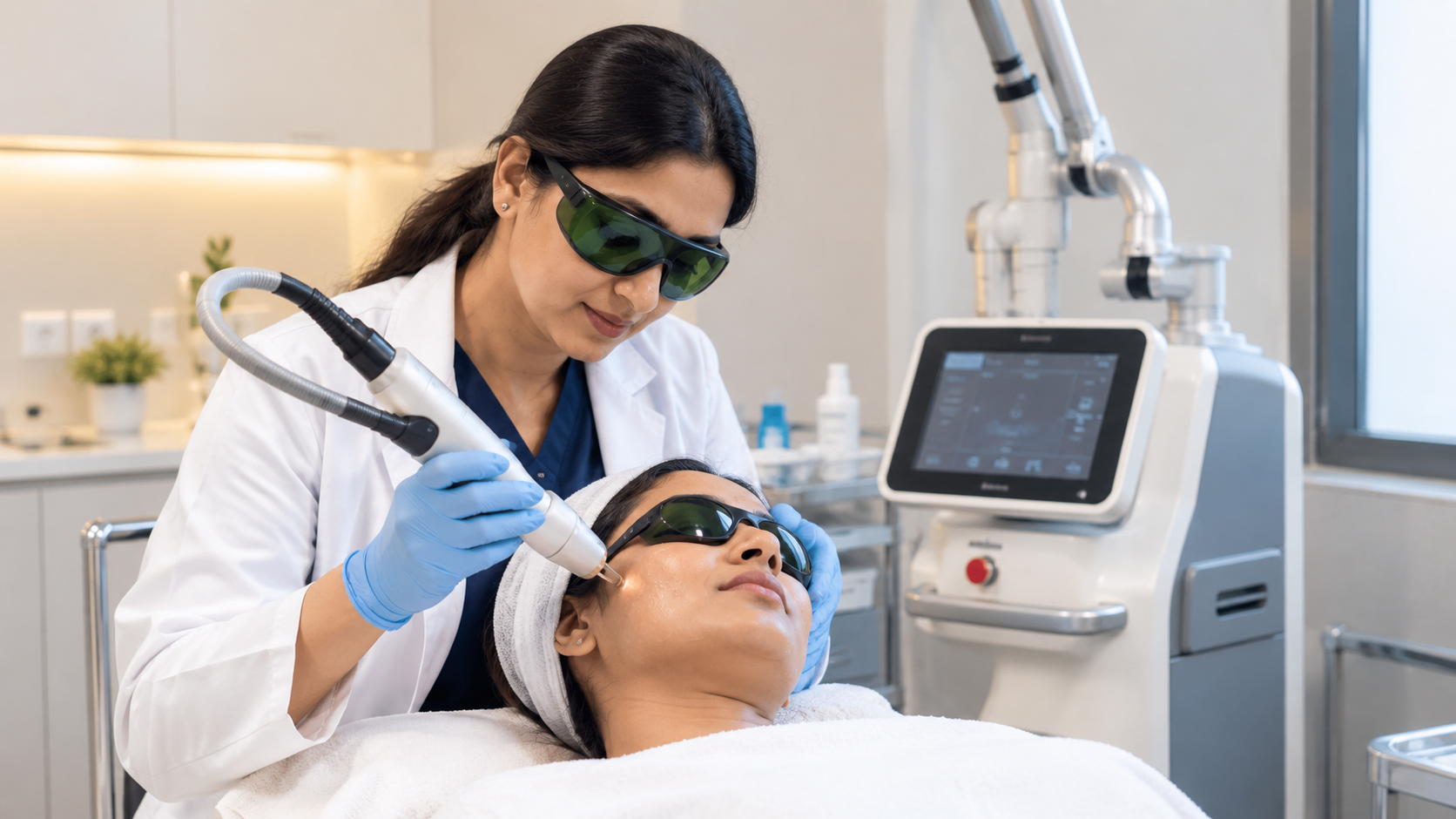
- Q-Switched Nd:YAG Lasers (Carbon Laser Peel): Uses a liquid carbon layer applied to the face. As the laser passes over, it explodes carbon particles, clearing pores, killing bacteria, and tightening enlarged pores.
- IPL (Intense Pulsed Light): Targets blood vessels supplying active inflammatory papules, reducing red marks (erythema) and active acne lesions.
- Blue Light & Red Light LED Therapy: Blue light destroys C. acnes bacteria via singlet oxygen generation, while red light penetrates deeper to soothe inflammation and promote healing.
4. Addressing Post-Acne Complications: Pigmentation and Scarring
Overcoming active acne is often only half the battle. Many patients suffer long-term emotional distress due to residual marks and textural changes left behind.
Post-Inflammatory Hyperpigmentation (PIH) vs. Post-Inflammatory Erythema (PIE)
- PIH (Brown / Dark Spots): Overproduction of melanin following inflammation, common in Indian skin. Treated with Kojic Acid, Azelaic Acid, C-Peels, and Q-Switched Lasers.
- PIE (Red / Pink Marks): Damaged micro-capillaries near the surface. Treated with Vascular Lasers, Niacinamide, and soothing botanicals.
Structural Acne Scars
Atrophic scars occur when collagen destruction prevents tissue from healing flush with the skin surface:
Types of Atrophic Scars:
├── Ice Pick Scars (Narrow, deep, V-shaped punctures)
├── Boxcar Scars (Broad, sharply defined rectangular depressions)
└── Rolling Scars (Wide, shallow, wave-like skin undulations)
Advanced Clinical Scar Treatments:
- Microneedling Radiofrequency (MNRF): Uses ultrafine insulated gold needles to deliver RF heat directly into the dermis, accelerating collagen remodeling.
- Fractional CO2 Laser Resurfacing: Vaporizes microscopic channels in damaged skin, forcing rapid re-epithelialization and smoothing scar depth.
- Subcision: Uses a specialized needle inserted under the skin to physically sever fibrous bands that pull down rolling scars.
- TCA CROSS (Trichloroacetic Acid Chemical Reconstruction of Skin Scars): Drops high-concentration TCA directly into deep ice pick scars to build new tissue from the bottom up.
5. Cost Breakdown of Acne Treatments in Hyderabad
Understanding treatment costs helps in planning long-term care effectively. Prices vary depending on clinic location, doctor experience, technology grade, and session count.
| Treatment Modality | Estimated Cost per Session (INR) | Recommended Sessions |
| Dermatologist Consultation | ₹500 – ₹1,200 | Initial + Follow-ups |
| Salicylic / Mandelic Peel | ₹1,800 – ₹3,500 | 4 – 6 Sessions |
| Comedone / Acne Extraction | ₹1,000 – ₹2,000 | As needed |
| Carbon Laser Peel | ₹3,000 – ₹6,000 | 3 – 5 Sessions |
| Fractional CO2 Laser | ₹4,500 – ₹10,000 | 4 – 6 Sessions |
| MNRF (Microneedling RF) | ₹6,000 – ₹12,000 | 3 – 5 Sessions |
| Subcision + TCA CROSS | ₹4,000 – ₹8,000 | 2 – 4 Sessions |
6. Popular Healthcare Hubs in Hyderabad for Dermatological Care
Hyderabad boasts top medical infrastructure with clinics and hospitals distributed across prime localities:
- Jubilee Hills & Banjara Hills: Premier luxury cosmetic centers equipped with US-FDA-approved laser suites.
- Gachibowli, Madhapur & Kondapur: Convenient tech-corridor hubs offering flexible evening hours for busy IT professionals.
- Kukatpally & Dilsukhnagar: High-volume medical centers providing comprehensive clinical dermatology at competitive prices.
- Secunderabad & Himayatnagar: Established dermatological clinics with decades of clinical practice.
7. Preventive Care, Daily Routine, and Hyderabad Lifestyle Guidelines
Clinical procedures deliver optimal results when paired with a disciplined daily skincare routine adapted to local climate conditions:
Daily Skincare Protocol for Acne-Prone Skin
Morning Routine (AM)
├── 1. Gentle Foaming Cleanser (with 1-2% Salicylic Acid)
├── 2. Oil-Free Hydrating Gel (Hyaluronic Acid / Niacinamide)
└── 3. Non-Comedone Sunscreen (SPF 30+, Gel/Matte Finish)

Evening Routine (PM)
├── 1. Mild Micellar Water / Gentle Cleanser (Double Cleanse if wearing makeup)
├── 2. Dermatologist Prescribed Active (Retinoid / Benzoyl Peroxide / Azelaic Acid)
└── 3. Lightweight Non-Comedogenic Barrier Moisturizer
Lifestyle Adaptations for Hyderabad Residents:
- Manage Water Quality: Hard ground water in parts of Hyderabad can leave high mineral deposits on skin, disrupting the natural pH barrier. Consider using filtered or RO water for facial cleansing.
- Dietary Adjustments: Limit high-glycemic foods (refined sugars, processed carbs, sweetened beverages) and excessive dairy products that cause insulin spikes and trigger androgenic oil production.
- Helmet Hygiene: Clean inner helmet pads regularly with antibacterial wipes to prevent friction-induced acne (Acne Mechanica) on the forehead and cheeks.
8. Frequently Asked Questions (FAQs)
Q1: What is the best Acne Treatment in Hyderabad?
There is no single “best” treatment for everyone. The most effective approach is a customized plan designed by an MD Dermatologist, combining prescription topical treatments, oral medications, chemical peels, or targeted laser therapies based on your specific acne type and skin condition.
Q2: How much does Acne Treatment in Hyderabad cost?
Consultation fees typically range from ₹500 to ₹1,200. Clinical treatments such as chemical peels cost between ₹1,800 and ₹3,500 per session, while advanced scar resurfacing options like Fractional CO2 or MNRF range between ₹4,500 and ₹12,000 per session depending on the clinic and technology used.
Q3: How many sessions are required for clear skin?
Active inflammatory acne can often be controlled within 4 to 8 weeks of starting targeted medical therapy. Structural scar treatments or pigmentation reduction procedures usually require 4 to 6 clinical sessions spaced 3 to 4 weeks apart for optimal results.
Q4: Are clinical acne treatments safe for Indian skin types?
Yes. Modern dermatological procedures using US-FDA-approved lasers and tailored chemical peels are calibrated specifically for South Asian skin (Fitzpatrick Types IV–VI). This minimizes risks of post-inflammatory hyperpigmentation or thermal skin injury.
Q5: Can hormonal acne be cured permanently?
Hormonal acne can be effectively controlled and put into long-term remission using targeted oral medications, hormonal management, specialized topicals, and maintenance clinical protocols, alongside appropriate lifestyle changes.
Q6: What is the difference between active acne and acne scars?
Active acne refers to ongoing inflammatory breakouts like pimples, papules, pustules, and blackheads caused by blocked pores. Acne scars represent permanent structural changes or depressions in the dermal layer that persist after inflammation subsides.
Q7: Are laser acne treatments painful?
Most patients report minimal discomfort during modern laser procedures. Topical numbing creams are applied 30 to 45 minutes prior to intensive treatments like MNRF or Fractional CO2 to ensure a comfortable experience.
Q8: Why should I choose a certified dermatologist over a salon facial?
Salon facials often rely on physical scrubs, steaming, and unverified cosmetics that can worsen active inflammation and break skin barriers. Dermatologists diagnose root causes, prescribe proven pharmaceuticals, and perform medical-grade treatments safely.
Q9: How does Hyderabad’s climate affect acne flares?
High ambient temperatures and intense humidity during Hyderabad’s summer and monsoon months increase sweat accumulation and sebum production. This traps environmental dust and bacteria inside pores, leading to frequent breakouts.
Q10: What lifestyle changes support acne recovery?
Focus on maintaining a low-glycemic diet, reducing dairy intake, managing stress levels, keeping pillowcases clean, using non-comedogenic cosmetics, and following a consistent dermatologist-approved daily skin regimen.
Q11: Is chemical peeling safe for sensitive acne-prone skin?
Yes. Mild chemical peels using Beta Hydroxy Acids (Salicylic Acid) or Mandelic Acid are specifically formulated to gently exfoliate inside pores, reduce inflammation, and calm sensitive, breakout-prone skin without causing harsh irritation.
Q12: Can diet alone cure acne completely?
While a healthy diet helps reduce systemic inflammation and insulin spikes, diet alone cannot cure moderate-to-severe acne. Clinical interventions are necessary to clear clogged pores, eliminate bacterial overgrowth, and regulate oil output.
Q13: What is Microneedling Radiofrequency (MNRF)?
MNRF is an advanced scar-remodeling technique that uses ultrafine microneedles to deliver radiofrequency energy deep into the dermal layer. This triggers collagen production, tightens skin, and fills in deep-seated acne scars.
Q14: How do I prevent post-acne dark spots (PIH)?
To prevent dark spots, never squeeze or pick at active breakouts. Wear broad-spectrum non-comedogenic sunscreen daily, and introduce dermatologist-prescribed active ingredients like Azelaic Acid, Niacinamide, or topical retinoids early.
Q15: How early should teenagers start acne treatment?
Teenagers should see a dermatologist at the first sign of persistent inflammatory pimples or painful cysts. Early clinical intervention prevents long-term physical scarring and reduces post-acne marks.
9. Next Steps: Booking Your Consultation
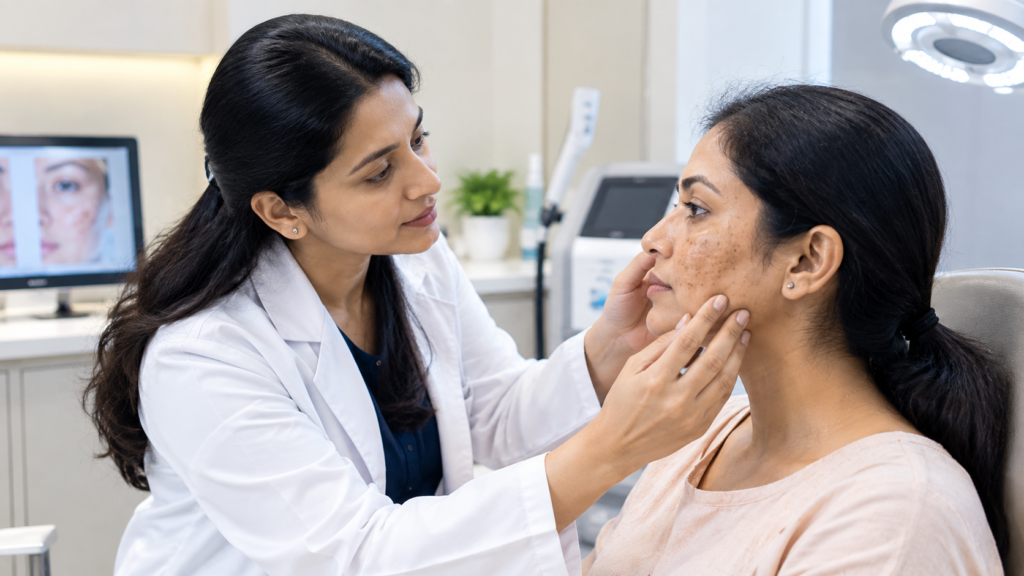
Achieving clear, healthy skin requires expert guidance and a systematic approach. If you are struggling with persistent breakouts or stubborn scarring, schedule an evaluation with a board-certified MD dermatologist in Hyderabad. A personalized assessment will help uncover the root cause of your acne and put you on the path toward clear, confident skin.