
Table of Contents
International Freight Forwarding in Dubai – Complete Guide to Global Shipping 2025
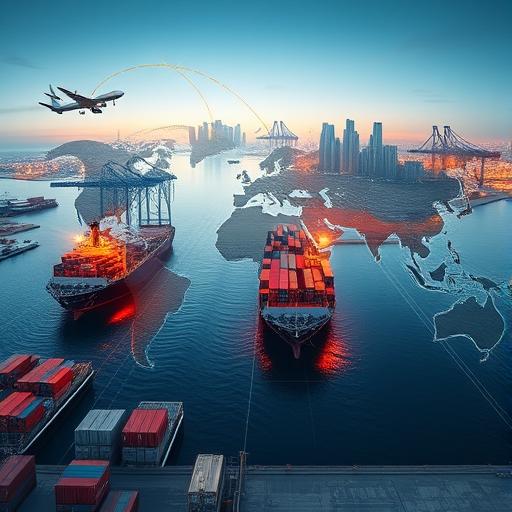
Dubai has evolved into one of the most powerful logistics and trade hubs in the world — bridging Asia, Europe, and Africa. Whether you’re shipping machinery from Germany, textiles from India, or electronics to Africa, freight forwarding in Dubai forms the backbone of seamless international trade.
This guide breaks down every aspect of freight forwarding in 2025 — from how it works, the types of freight, cost factors, documentation, customs, and how to select a reliable forwarder in Dubai that ensures speed, compliance, and safety.
1. What Is International Freight Forwarding?
Freight forwarding is the strategic process of managing shipments from one destination to another through a network of carriers, ports, and logistics systems.
A freight forwarder acts as the intermediary between the shipper (you) and the transport services (airlines, ocean lines, trucking firms).

They don’t necessarily own ships or planes — instead, they manage everything:
- Negotiating rates
- Booking cargo space
- Handling documentation
- Coordinating customs clearance
- Arranging storage, insurance, and inland delivery
Freight forwarding companies in Dubai are known globally for speed, customs expertise, and multi-modal logistics integration.
2. Why Dubai Is the Global Epicenter of Freight Forwarding
Dubai’s geography is its greatest advantage. Situated between East and West, it offers unmatched connectivity.
Some key reasons for its dominance:
- World-class infrastructure: Jebel Ali Port (largest in the Middle East) and Dubai International Airport (DXB – top global air cargo hub).
- Free zones: JAFZA, DAFZA, and Dubai South offer duty-free storage and streamlined trade compliance.
- Government initiatives: Smart Dubai 2025 vision, paperless trade systems, AI-driven customs.
- Connectivity: Over 140 global shipping lines and 120+ air cargo destinations.
These factors make freight forwarding in Dubai a critical enabler for exporters, importers, and eCommerce traders worldwide.
3. Modes of Freight Forwarding in Dubai
a) Sea Freight Forwarding
Best for heavy, bulky, or non-urgent goods.
- FCL (Full Container Load) – one shipper, one container.
- LCL (Less than Container Load) – shared container space.
- Major routes: China–Dubai, India–Dubai, Europe–Dubai, Dubai–Africa.

b) Air Freight Forwarding
For high-value or urgent cargo.
- Fastest but costliest mode.
- Common for electronics, perishables, and luxury goods.
- Handled via DXB or Al Maktoum International (DWC).
c) Land / Road Freight
Ideal for GCC and regional transport — Dubai to Saudi Arabia, Oman, Qatar.
- Great for cross-border trade with flexible scheduling.
d) Multimodal Freight Forwarding
Combines sea, air, and land for cost and time efficiency — e.g., Sea-Air service via Dubai (Asia to Europe in record time).
4. Key Steps in the Freight Forwarding Process
Freight forwarding may seem complex, but it follows a structured process:
- Cargo Booking & Quotation: The shipper requests shipment and receives a rate quote based on volume, mode, and destination.
- Export Documentation: Invoices, packing list, certificate of origin, export permit, etc.
- Cargo Pickup & Consolidation: Forwarder collects goods from the supplier and consolidates cargo if LCL.
- Customs Clearance (Origin): Ensures compliance before export.
- International Transport: Movement via ship, air, or truck.
- Import Customs Clearance (Destination): Processing at Dubai or other ports.
- Delivery / Deconsolidation: Cargo is delivered to consignee or warehouse.
5. Documents Required for Freight Forwarding
To comply with Dubai customs and international standards, freight forwarding requires:
- Commercial Invoice
- Bill of Lading (or Air Waybill)
- Packing List
- Certificate of Origin
- Export License / Import Permit
- Insurance Certificate
- Letter of Credit (if applicable)

Inaccurate documentation causes customs delays — a professional freight forwarder ensures everything is correct and compliant.
6. Key Factors Affecting Freight Costs
Freight rates fluctuate depending on:
| Factor | Description |
|---|---|
| Cargo Type | Fragile, hazardous, or perishable goods need special handling |
| Weight & Volume | Higher volume = lower rate per kg, but total cost increases |
| Destination & Route | Longer or indirect routes cost more |
| Freight Mode | Air is expensive but faster; sea is cheaper but slower |
| Seasonality | Peak seasons (pre-Ramadan, holidays) increase demand |
| Insurance & Packaging | Additional cost for risk protection |
Pro tip: Compare multi-modal quotes to balance speed and cost.
7. The Role of a Freight Forwarder in Dubai
A forwarder in Dubai handles end-to-end logistics. Core functions include:
- Booking cargo with carriers
- Customs brokerage & compliance
- Packing, labeling, and consolidation
- Handling warehousing & distribution
- Providing tracking visibility
- Negotiating rates with carriers
- Coordinating last-mile delivery
Dubai’s leading freight forwarders use digital platforms for real-time cargo tracking, AI route optimization, and customs automation.
8. Customs Clearance in Dubai – Simplified Overview
Dubai Customs operates under the Federal Customs Authority (FCA) and has one of the fastest clearance processes globally.
Steps:
- Submit declaration online via Dubai Trade Portal.
- Upload required documents (invoice, packing list, etc.).
- Pay customs duties/VAT if applicable.
- Cargo inspection (if selected).
- Release & delivery.
Tip: Using a Dubai-based forwarder ensures smoother customs communication and faster clearance.
9. Benefits of Freight Forwarding in Dubai
- Global connectivity with world ports and air routes.
- Customs efficiency through electronic clearance.
- Competitive pricing due to multiple carriers.
- Scalable logistics for SMEs and enterprises.
- Secure trade systems integrated with UAE’s blockchain initiatives.
- Value-added services: warehousing, inventory management, cargo insurance, and packaging.
10. How to Choose the Right Freight Forwarder in Dubai (2025 Guide)
Use this checklist:
✅ Licensed & experienced in Dubai freight forwarding
✅ Offers multi-modal shipping (air/sea/land)
✅ Transparent pricing structure
✅ Real-time tracking & updates
✅ Global agent network
✅ In-house customs clearance team
✅ Cargo insurance options
✅ Positive Google & industry reviews
✅ Dedicated customer support
✅ Sustainability initiatives
A reliable forwarder simplifies international shipping, reduces costs, and ensures timely deliveries.
11. The Rise of Smart Logistics and AI in Freight Forwarding
In 2025, Dubai’s logistics sector is embracing AI-powered routing, predictive ETAs, blockchain tracking, and autonomous transport systems.
- AI forecasts demand surges and optimizes routes.
- Blockchain ensures transparent documentation.
- IoT devices monitor cargo condition in real time.
These innovations reduce human error, enhance safety, and improve shipping predictability.
12. Common Challenges in Freight Forwarding (and How to Overcome Them)
| Challenge | Solution |
|---|---|
| Port congestion | Choose flexible routes and carriers |
| Documentation delays | Use forwarders with digital documentation systems |
| Customs complications | Hire licensed Dubai customs brokers |
| Hidden charges | Always request an all-inclusive quote |
| Damaged goods | Opt for insured and well-packed shipping |
Dubai’s logistics framework minimizes most of these risks through automation and smart port systems.
13. Future of Freight Forwarding in Dubai (2025–2030)
The next five years will see:
- Full AI integration in customs & logistics.
- Sustainable shipping with reduced carbon emissions.
- Expansion of Dubai South Logistics District.
- Rise of autonomous port handling.
Dubai aims to remain the #1 logistics hub globally, connecting over 200 trade routes seamlessly.
14. Final Takeaway
Freight forwarding is more than transportation — it’s global supply chain intelligence.
In Dubai, the perfect combination of location, infrastructure, technology, and trade policy makes it the ultimate logistics gateway.
Choosing the right freight forwarder ensures compliance, speed, and peace of mind — the difference between chaos and clarity in global shipping.