Table of Contents
Comprehensive Pregnancy Education in Vizag | Prenatal Classes & Childbirth Prep
Pregnancy is one of the most transformative seasons in a woman’s life, marked by profound physical, emotional, and psychological shifts. While physical health is often closely tracked through clinical checkups, mental readiness and structured knowledge are equally critical for a smooth delivery and transition into parenthood. Comprehensive Pregnancy Education in Vizag bridges this gap, equipping expectant mothers and their partners across the City of Destiny with evidence-based knowledge, practical birth skills, and newborn care fundamentals.
Whether you live near MVP Colony, Siripuram, Maharani Peta, Gajuwaka, or Madhurawada, structured prenatal education helps demystify labor, reduces childbirth anxiety, and builds a supportive environment for mother and baby.
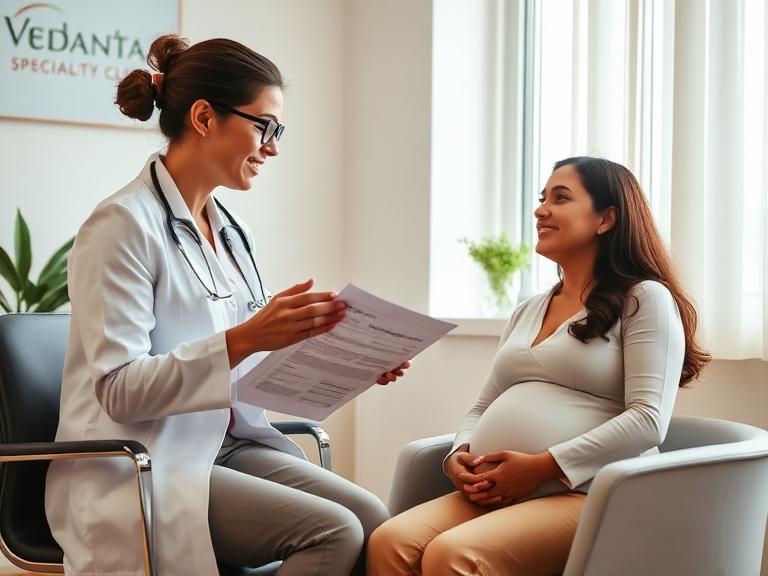
Why Prenatal Education Matters for Modern Expecting Couples
In traditional setups, pregnancy advice was often passed down informally, leading to conflicting myths, unverified practices, or heightened anxiety regarding labor pain. Modern childbirth education combines evidence-based obstetrics, Lamaze techniques, Garbh Sanskar traditions, and practical newborn workshops to provide a balanced approach.
+----------------------------------------------------------------------------------------+
|                             PILLARS OF PREGNANCY EDUCATION                             |
+----------------------------------------------------------------------------------------+
|  LABOR & BIRTH PREP     | Understanding stages of labor, pain coping mechanisms, and   |
|                         | delivery choices (Vaginal vs. C-Section).                     |
+-------------------------+--------------------------------------------------------------+
|  GARBH SANSKAR & MINDFUL| Combining traditional holistic wellness, music therapy, and  |
|                         | positive mental conditioning.                                |
+-------------------------+--------------------------------------------------------------+
|  NUTRITION & DIETETICS  | Trimester-specific meal planning aligned with local coastal   |
|                         | dietary preferences and medical needs.                       |
+-------------------------+--------------------------------------------------------------+
|  PARTNER INVOLVEMENT    | Training spouses in birth-doula techniques, massage, and     |
|                         | emotional support during labor.                              |
+-------------------------+--------------------------------------------------------------+
|  NEWBORN & LACTATION    | Master latching techniques, bathing, cord care, and understanding|
|                         | infant cues from day one.                                    |
+----------------------------------------------------------------------------------------+
Core Modules in Pregnancy Education Classes
                          [ 1. Conceptual Understanding ]
                                       |
                          [ 2. Mind-Body Preparation ]
                                       |
  +------------------------------------+------------------------------------+
  |                                                                         |
[ 3. Labor Dynamics & Coping ]                             [ 4. Postpartum & Infant Care ]
  |                                                                         |
  +------------------------------------+------------------------------------+
                                       |
                          [ 5. Partner Empowerment ]
1. Trimester-Wise Biological Milestones
Understanding fetal development week-by-week helps parents stay aligned with maternal body changes. Educators cover topic areas like normal weight gain, hormonal shifts, common discomforts (like morning sickness or heartburn), and critical warning signs requiring medical evaluation.
2. Lamaze Breathing & Pain Management
Lamaze education focuses on natural birth strategies, conscious relaxation, and structured breathing patterns. Expectant mothers learn how targeted breathing during contractions maintains oxygen flow to the uterus, reduces muscle tension, and keeps adrenaline levels controlled.
3. Garbh Sanskar & Stress Reduction
Garbh Sanskar integrates traditional Indian prenatal practices, focusing on the mental state of the mother to positively influence fetal growth. Classes incorporate gentle meditation, positive affirmations, soothing raga-based music therapy, and reading materials designed to promote emotional calm.
4. Birth Planning & Hospital Readiness
Navigating hospital protocols, understanding epidurals, knowing when to leave for the maternity center, and creating a birth plan are key components of birth preparation. Mothers learn how to communicate effectively with their care team across maternity centers in Visakhapatnam.
5. Lactation & Newborn Care
Antenatal lactation classes break down proper latching positions, cluster feeding patterns, burping methods, and early sign recognition for infant hunger. New parents also learn essential infant hygiene, umbilical cord management, and safe sleep habits.
Trimester-by-Trimester Educational Roadmap
          TRIMESTER 1                     TRIMESTER 2                     TRIMESTER 3
     (Weeks 1 to 12)                (Weeks 13 to 27)               (Weeks 28 to 40)
  +-----------------------+       +-----------------------+       +-----------------------+
  | - Nutrition & Fitness |       | - Fetal Development   |       | - Labor & Delivery    |
  | - Managing Symptoms   |  ===> | - Garbh Sanskar       |  ===> | - Lamaze Breathing    |
  | - Early Screening     |       | - Postural Care       |       | - Lactation & Baby    |
  +-----------------------+       +-----------------------+       +-----------------------+
The Role of the Birth Partner
Pregnancy education emphasizes that partners are active participants in the birthing process rather than passive observers. Dedicated partner training sessions cover:
- Counter-Pressure Massage: Relieving lower back discomfort during active labor contractions.
- Emotional Support: Keeping the environment quiet, encouraging, and reassuring during long labor hours.
- Advocacy: Understanding the mother’s birth plan and helping communicate her preferences to healthcare staff.
- Postpartum Care: Assisting with infant settling, recognizing signs of postpartum mood changes, and supporting recovery at home.
Local Access to Maternal Care & Classes in Visakhapatnam
Finding reliable prenatal education in Vizag allows couples to balance busy work schedules with maternity preparation. Specialized classes and maternity health hubs are readily accessible across key neighborhoods:
- MVP Colony & Venojipalem: Popular hubs for wellness centers, Garbh Sanskar classes, and diagnostic facilities tailored for young families.
- Siripuram & Waltair Uplands: Offers access to boutique maternity care centers, lactation consultants, and interactive prenatal workshops.
- Maharani Peta & Jagadamba Junction: Home to established maternity hospitals and long-standing clinical educators offering structural antenatal orientation.
- Gajuwaka & Sheela Nagar: Features dedicated child and woman care hospitals providing comprehensive childbirth and lactation courses.
- Madhurawada & Yendada: Rapidly expanding residential corridors with access to home-visit educators, prenatal yoga, and online support groups.

Frequently Asked Questions (15 Detailed FAQs)
Q1: What is the ideal gestational month to start pregnancy education classes in Vizag?
A: While basic nutrition and health classes can begin in the first trimester, core childbirth education, Lamaze classes, and labor preparation are best started between the 20th and 28th weeks (early 5th to 7th month).
Q2: What is the main focus of Garbh Sanskar classes?
A: Garbh Sanskar focuses on ancient Indian concepts of mental and spiritual bonding with the unborn child through positive music, guided meditation, positive thinking, creative activities, and healthy lifestyle choices.
Q3: Should my partner attend these pregnancy classes with me?
A: Yes, partner participation is strongly encouraged. Partners learn how to assist with labor comfort measures, counter-pressure techniques, emotional support, and early newborn care.
Q4: How do Lamaze breathing techniques help during labor?
A: Lamaze breathing keeps oxygen levels elevated in uterine muscles, reduces perception of pain, provides a mental focus point during contractions, and helps prevent panic during active birth.
Q5: Are online pregnancy education classes as effective as in-person classes?
A: Yes, online interactive classes offer great flexibility for working couples while covering identical theory, dietary plans, and visual guidance. However, in-person workshops offer hands-on practice for newborn bathing, latching, and physical massage.
Q6: What topics are covered in a prenatal lactation session?
A: Lactation sessions cover latching mechanics, nursing positions (cradle, football hold, side-lying), managing engorgement or sore nipples, milk storage guidelines, and reading infant hunger cues.
Q7: Can pregnancy education prepare me for a medically necessary C-Section?
A: Yes. Comprehensive classes explain both vaginal deliveries and Cesarean procedures, ensuring parents understand spinal anesthesia, surgical prep, recovery protocols, and early skin-to-skin care regardless of delivery mode.
Q8: What dietary changes are emphasized in prenatal nutrition counseling?
A: Nutritionists focus on balanced macro- and micro-nutrients, prioritizing iron, folic acid, calcium, and protein intake, adjusted to coastal Andhra dietary staples like rice, lentils, seasonal fruits, and fish.
Q9: How do I choose between different prenatal educators in Visakhapatnam?
A: Look for educators with recognized credentials, such as certified Lamaze Childbirth Educators (LCCE), CAPPA-certified doulas, certified Garbh Sanskar practitioners, or registered nurse-midwives with experience in maternity care.
Q10: How do prenatal classes address fear and anxiety about labor pain?
A: Fear often stems from uncertainty. By explaining the biological mechanics of labor, teaching relaxation exercises, and introducing pain relief options (both natural and epidural), education helps build confidence and reduces anxiety.
Q11: Does pregnancy education include guidance on hospital packing?
A: Yes, educators provide practical checklists for hospital bags, covering items for mother, baby, and partner, alongside necessary medical documentation required by maternity hospitals in Vizag.
Q12: How long do standard childbirth education programs run?
A: Programs vary from single-day weekend crash courses (4–6 hours) to structured 4-to-6-week series that meet once weekly for 90 minutes.
Q13: Are exercise safety guidelines taught in pregnancy education classes?
A: Yes. Educators cover basic postural adjustments, daily movement safety, ergonomic sitting positions, and red-flag symptoms that indicate when to pause physical activity.
Q14: How does education help with the transition into the postpartum period?
A: Postpartum preparation covers emotional adjustments, identifying baby blues versus postpartum depression, pelvic floor healing, physical rest needs, and building a domestic support network.
Q15: Can high-risk pregnancies benefit from pregnancy education?
A: Absolutely. Mothers with high-risk conditions receive specialized information on monitoring symptoms, managing medical routines, communicating with high-risk obstetricians, and understanding specialized labor protocols.