Table of Contents
Lift Repair in Gachibowli | 24/7 Elevator Service & Emergency
Reliable lift repair in Gachibowli is an operational necessity for facility managers, Resident Welfare Associations (RWAs), corporate office administrators, and commercial property developers. As one of Hyderabad’s primary technology and financial hubs, Gachibowli—alongside adjoining sectors like the Financial District, Nanakramguda, Khajaguda, Rai Durg, and Kokapet—houses hundreds of high-rise residential towers, multi-tenant IT parks, luxury hotels, and super-specialty hospitals.
Thousands of vertical transportation systems in these facilities operate continuously under heavy traffic conditions. When an elevator breaks down in a 30-story residential complex or a multi-floor tech park, it leads to immediate operational disruption, accessibility challenges, severe inconvenience, and potential safety risks. Sudden outages can stem from electrical voltage fluctuations, worn mechanical traction components, corrupted controller circuit boards, or misaligned door safety sensors.
This long-form technical guide offers a thorough overview of lift repair in Gachibowli: common failure points, component-level diagnostic workflows, emergency entrapment response protocols, localized repair cost estimates, preventive AMC models, modernization strategies, 15 detailed FAQs, and validated JSON-LD schema markup.
1. Why Prompt Lift Repair Matters in Gachibowli’s High-Density Corridor
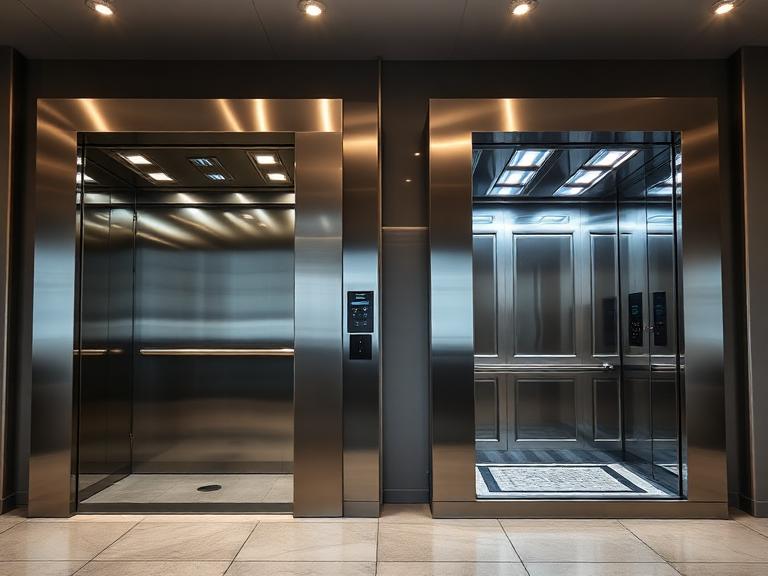
Gachibowli presents unique operational challenges for elevator systems. The area features a mix of high-speed passenger elevators, glass capsule lifts, heavy-duty goods/stretcher elevators, and hydraulic home lifts operating under high daily usage.
                    Elevator Health & Safety Triad
 ┌──────────────────────────────────────────────────────────────────────┐
 │ 1. System Reliability   : Minimizing downtime in high-rise towers     │
 │ 2. Safety & Compliance  : Preventing free-fall, entrapment & drift   │
 │ 3. Asset Preservation   : Extending motor, rope & controller lifespan│
 └──────────────────────────────────────────────────────────────────────┘
Key Reasons Immediate Repair & Servicing Are Critical:
- High Traffic Loads: Tech parks and high-rise apartments in Gachibowli log tens of thousands of door cycles weekly. Minor mechanical misalignment left uncorrected leads to rapid gear, cable, and door-operator failure.
- Electrical Voltage Spikes: High urban electrical demands and automatic generator changeovers during power cuts can send voltage surges through sensitive microprocessors, damaging VVVF (Variable Voltage Variable Frequency) speed drives and controller motherboards.
- Preventing Emergency Entrapments: Timely intervention on faulty Automatic Rescue Devices (ARD), door lock interlocks, and safety edges prevents passengers from becoming trapped between floors during power failures.
- Telangana Lift Act & BIS Compliance: Commercial and residential elevators must strictly adhere to the Telangana Lifts, Escalators and Passenger Conveyors Act and Bureau of Indian Standards (BIS – IS 14665). Operating a faulty elevator exposes building management to statutory liabilities and failed electrical inspectorate audits.
- Preventing Costly Secondary Damage: Replacing a worn ₹4,500 guide shoe slider on time prevents it from scoring and ruining a ₹1,20,000 elevator guide rail assembly.
2. Common Elevator Failures & Diagnostic Indicators in Gachibowli
Recognizing early warning signs allows facility teams to call for professional lift repair in Gachibowli before a total mechanical or electrical shutdown occurs.
                  Common Lift Failure Symptom Matrix
 ┌──────────────────────────────────────────────────────────────────────┐
 │ • Unaligned Landing Stops ➜ Faulty Floor Leveling Sensor / Brake Cam │
 │ • Jerky Starts/Stops     ➜ Corrupted VVVF Parameter / Motor Bearing  │
 │ • Repeated Door Re-open  ➜ Dirty Infrared Curtain / Damaged Cable    │
 │ • Loud Squeaking Noise   ➜ Dry Guide Rails / Worn Sheave Grooves     │
 │ • Complete Power Blackout ➜ Blown Transformer / Damaged Main PCB      │
 └──────────────────────────────────────────────────────────────────────┘
1. Door Mechanism Failures (Accounts for ~60% of Service Calls)
- Symptoms: Elevator doors re-open repeatedly, jam halfway, slam shut aggressively, or refuse to close, preventing the lift from moving.
- Root Causes: Dust accumulation on door header tracks, misaligned telescopic door arms, worn door operator belts, failed landing door mechanical interlocks, or damaged infrared light curtain sensors.
2. Levelling Inaccuracies & Sudden Jerks
- Symptoms: The elevator car stops 2 to 5 inches above or below the floor landing, creating a severe tripping hazard for passengers.
- Root Causes: Worn electromechanical brake pads, stretched traction wire ropes, malfunctioning magnetic proximity floor sensors, or improperly calibrated acceleration profiles on the VVVF drive inverter.
3. Noise, Vibration, & Cabin Wobble
- Symptoms: Squeaking, grinding, or rattling sounds coming from the hoistway, accompanied by side-to-side cabin shaking during travel.
- Root Causes: Worn counterweight guide shoes, dry T-section guide rails lacking lubrication, unbalanced traction sheaves, or worn internal bearings inside the main drive motor gearbox.
4. Controller & Electrical Malfunctions
- Symptoms: Digital cabin display showing error codes (e.g., E-01, E-40, F-05), buttons unresponsive on the Cabin Operating Panel (COP), or lift unresponsive to hall calls.
- Root Causes: Burnt relay contactors, shorted motherboard microprocessors due to heat, blown fuses, or loose wiring in trailing cables.
5. Automatic Rescue Device (ARD) Failure
- Symptoms: During a grid power failure, the elevator stops abruptly between floors instead of automatically drifting to the nearest landing to open its doors.
- Root Causes: Dead or sulfated 12V SMF lead-acid batteries, faulty ARD charger circuit boards, or defective mechanical brake release solenoids.
3. Technical Breakdown: Component-Level Repair Protocols
Professional lift technicians follow systematic diagnostic protocols to repair and restore elevator components safely.
                    Elevator Subsystem Architecture
 ┌──────────────────────────────────────────────────────────────────────┐
 │ 1. Machine Room / Drive Subsystem (Motor, Brake, VVVF, Controller)   │
 │ 2. Shaft & Hoistway Subsystem (Wire Ropes, Guide Rails, Counterweight)│
 │ 3. Cabin & Door Subsystem (Door Motor, Light Curtain, COP, Locks)    │
 │ 4. Pit & Safety Assemblies (Governor Tensioner, Buffers, Limits)    │
 └──────────────────────────────────────────────────────────────────────┘
A. VVVF Inverter Drive & Controller Repair
The Variable Voltage Variable Frequency (VVVF) drive regulates motor speed to ensure smooth acceleration and accurate floor leveling while reducing energy consumption by up to 35%.
- Repair Procedure: Technicians check error logs via handheld programmers, replace burnt IGBT (Insulated Gate Bipolar Transistor) modules, swap damaged cooling fans, recalibrate acceleration ramps, and clear low-voltage faults.
B. Traction Machine & Mechanical Brake Overhaul
The traction machine—whether a traditional geared motor or a modern gearless Permanent Magnet Synchronous Motor (PMSM)—drives the elevator cables.
- Repair Procedure: Servicing includes replacing worn synthetic brake pads, adjusting mechanical plunger clearance air gaps, replacing gear oil, repacking motor bearings, and dynamic balancing of the traction sheave.
C. Steel Traction Wire Rope Replacement
Steel wire ropes support the weight of the cabin and counterweight.
- Repair Procedure: When wire rope inspection reveals broken outer wires, diameter reduction, or rusting, technicians replace the entire set of cables simultaneously. Tension is individually calibrated across all cables using load-cell tension gauges to prevent uneven sheave wear.
D. Infrared Light Curtain & Door Operator Repair
The light curtain casts invisible infrared beams across the entrance to detect entering passengers and prevent door impact.
- Repair Procedure: Faulty light curtain strips are replaced, flexible door cables are inspected for internal wire breaks, and the door operator motor’s encoder is recalibrated for smooth, quiet opening and closing.
4. Emergency Lift Breakdown & 24/7 Trapping Response Protocol
In a commercial tech park or high-rise residential complex in Gachibowli, an emergency passenger entrapment requires immediate, structured response protocols.
               Emergency Entrapment Rescue Workflow
 ┌──────────────────────────────────────────────────────────────────────┐
 │ Step 1: Passenger Alarm Trigger ➜ Intercom Contact established      │
 │ Step 2: Main Power Isolation  ➜ Technician turns off Main Breaker  │
 │ Step 3: Mechanical Car Locating ➜ Check floor landing position marks │
 │ Step 4: Manual Brake Release   ➜ Safely drift car to nearest floor  │
 │ Step 5: Manual Key Door Open   ➜ Release outer door lock & exit     │
 └──────────────────────────────────────────────────────────────────────┘
Standard Emergency Rescue Sequence:
- Communication & Calming: The building security or remote monitoring operator responds to the intercom call, reassuring trapped passengers that the cabin is ventilated and safe.
- Electrical Isolation: The arriving technician turns off the main 3-phase power supply switch in the machine room to prevent accidental movement during rescue operations.
- Position Verification: Technicians check painted position markings on the traction cables to determine whether the car is stopped at a floor level or stuck between landings.
- Manual Winding & Brake Release: If the car is stuck between floors, the technician fits the manual winding handwheel onto the motor shaft and carefully releases the mechanical brake lever, allowing the car to drift smoothly to the nearest floor.
- Door Key Release: Once the car aligns flush with the floor landing, the technician uses a specialized mechanical tri-lobe key to unlock the outer landing doors and safely assist passengers out of the cabin.
5. Cost Framework: Lift Repair & Component Replacement Pricing in Gachibowli
Repair expenses vary based on lift type (Geared, Gearless MRL, Hydraulic), building height (number of floors), load capacity, and whether the repair is covered under an active Annual Maintenance Contract (AMC).
Estimated Component Repair & Replacement Costs
| Repair Task / Replacement Part | Standard Residential Lift (G+4 to G+9) | Commercial High-Rise / High-Speed Lift |
| Infrared Light Curtain Sensor Replacement | ₹3,500 – ₹8,500 | ₹8,500 – ₹14,000 |
| Automatic Rescue Device (ARD) Battery Bank | ₹4,500 – ₹10,000 | ₹10,000 – ₹18,000 |
| Microprocessor Controller Main PCB Board | ₹12,000 – ₹35,000 | ₹35,000 – ₹75,000 |
| VVVF Speed Drive Inverter Repair/Replacement | ₹18,000 – ₹45,000 | ₹45,000 – ₹95,000 |
| Complete Traction Wire Rope Replacement Set | ₹22,000 – ₹55,000 | ₹55,000 – ₹1,20,000 |
| Traction Motor Rewinding / Bearing Overhaul | ₹15,000 – ₹40,000 | ₹40,000 – ₹90,000 |
| Landing Door Mechanical Interlock Replacement | ₹2,500 – ₹5,500 | ₹5,500 – ₹9,500 |
| Hydraulic Pump Seal & Oil Replacement | ₹14,000 – ₹35,000 | ₹35,000 – ₹65,000 |
| Cabin Operating Panel (COP) & Touch Buttons | ₹5,000 – ₹15,000 | ₹15,000 – ₹32,000 |
6. Repair vs. Modernization: Decision Framework
When an older elevator (12 to 25 years old) experiences frequent breakdowns, property managers must evaluate whether repeated partial repairs make financial sense compared to complete Elevator Modernization.
                   Repair vs. Modernization Matrix
 ┌──────────────────────────────────────────────────────────────────────┐
 │ Criteria           │ Minor/Major Repair      │ System Modernization │
 ├────────────────────┼─────────────────────────┼──────────────────────┤
 │ Equipment Age      │ Under 10-12 Years       │ Over 12-15+ Years    │
 │ Breakdown Frequency│ Isolated (1-2 / year)   │ Chronic (Monthly+)   │
 │ Spare Availability │ Readily Available       │ Obsolete / Rare      │
 │ Energy Efficiency  │ No Change               │ Up to 35% Savings    │
 │ Capital Outlay     │ Low (₹15,000 – ₹60,000) │ Moderate to High     │
 └────────────────────┴─────────────────────────┴──────────────────────┘
When to Opt for Lift Modernization:
- Obsolete Electronics: Relays or older digital controllers where replacement circuit boards are no longer manufactured.
- High Monthly Energy Costs: Old geared motors draw significantly higher electrical current compared to modern gearless PMSM motors with regenerative VVVF drives.
- Poor Aesthetics & Passenger Perception: Scratched metal panels, noisy operation, and jerky floor stops detract from commercial real estate value.
7. Preventive Annual Maintenance Contracts (AMC) in Gachibowli
Enrolling in a structured Annual Maintenance Contract (AMC) is the most effective way to prevent costly lift repairs and unexpected downtime.
                      AMC Service Contract Models
                                   │
        ┌──────────────────────────┴──────────────────────────┐
        ▼                                                     ▼
 [Non-Comprehensive AMC]                               [Comprehensive AMC (CAMC)]
  • Monthly inspection & lubrication                    • Monthly inspection & lubrication
  • Emergency breakdown labor included                   • Emergency breakdown labor included
  • Replacement parts billed extra                      • ALL major parts & PCBs covered free
Comprehensive AMC (CAMC) vs. Non-Comprehensive AMC
| Feature Comparison | Non-Comprehensive AMC | Comprehensive AMC (CAMC) |
| Scheduled Monthly Maintenance Visits | Included (12 visits/year) | Included (12 visits/year) |
| 24/7 Emergency Breakdown Labor | Included | Included (Priority Response) |
| Minor Consumables (Oil, Grease, Cotton) | Included | Included |
| Electronic Board (PCB) & Sensor Replacement | Extra Charge | Included (Free Replacement) |
| Traction Motor & Gearbox Repairs | Extra Charge | Included (Free Repair) |
| VVVF Drive & Controller Parts | Extra Charge | Included (Free Replacement) |
| Average Cost per Year (Gachibowli) | ₹15,000 – ₹28,000 | ₹30,000 – ₹75,000+ |
8. Major Zones & IT Corridors Covered in Gachibowli
Field engineers and emergency breakdown technicians service key residential, commercial, and institutional hubs across the broader Gachibowli region:
               Gachibowli Elevator Service Networks
 ┌──────────────────────────────────────────────────────────────────────┐
 │ • IT & Business Parks  : Cyberabad, DLF Cyber City, Mindspace, Waverock│
 │ • Financial District   : Nanakramguda, Kokapet, Financial District   │
 │ • Residential Belts    : Khajaguda, Manikonda, Telecom Nagar, Rai Durg│
 │ • Educational / Med    : University of Hyderabad, IIIT, Care/Continental│
 └──────────────────────────────────────────────────────────────────────┘
- IT & Business Parks: DLF Cyber City, Cyberabad, Mindspace Gachibowli, Waverock IT Park, DivyaSree Omega, Synergies IT Park, and Phoenix Tech Zone. Serves high-speed passenger elevators, glass capsule lifts, and multi-car group controllers.
- Financial District & Nanakramguda: Financial District Main Road, Nanakramguda, ISB Road, Kokapet, and Puppalguda. Focuses on commercial tower elevators, emergency stretcher lifts, and 24/7 priority AMC support.
- Residential & High-Rise Apartments: Telecom Nagar, Khajaguda, Manikonda, Rai Durg, Gachibowli-Miyapur Road, and Jayabheri Pine Valley. Handles residential passenger lifts, hydraulic home lifts, and society AMC modernizations.
- Institutions & Hospitality: University of Hyderabad (HCU), IIIT Hyderabad, ISB Campus, Continental Hospital, Care Hospital, and major star hotels along the Gachibowli Outer Ring Road (ORR) junction.
9. Quality Evaluation Checklist for Choosing a Lift Repair Company
Use this practical evaluation checklist when selecting a lift repair company in Gachibowli:
               Lift Repair Provider Evaluation Checklist
 ┌──────────────────────────────────────────────────────────────────────┐
 │ [ ] Licensed under Telangana State Electrical Inspectorate Norms     │
 │ [ ] Max 30–60 Minute Response Time SLA for Trapping Emergencies     │
 │ [ ] Multi-Brand Technical Competence (Johnson, KONE, Otis, Schindler)│
 │ [ ] Local Stock of Genuine Spare Parts & Replacement PCBs             │
 │ [ ] Certified Engineers equipped with PPE & Calibrated Diagnostic Tools│
 │ [ ] Transparent Service Job Sheets & Digital Diagnostic Reports       │
 └──────────────────────────────────────────────────────────────────────┘
10. Frequently Asked Questions (FAQs)
Q1: How quickly can a repair technician reach my property in Gachibowli during an emergency?
Reliable elevator service companies maintain local field technicians across Gachibowli, Nanakramguda, and HITECH City. They typically guarantee an on-site arrival time of 30 to 60 minutes for emergency passenger entrapment calls. Standard non-emergency repair response times range between 2 and 4 hours.
Q2: How much does a typical elevator repair cost in Gachibowli?
Repair costs depend on the specific component that has failed:
- Minor repairs (e.g., door light curtain sensors or landing door lock adjustments): ₹2,500 to ₹8,500.
- Medium repairs (e.g., ARD battery bank replacement or motor rewinding): ₹4,500 to ₹35,000.
- Major overhauls (e.g., main controller PCB, VVVF drive inverter, or traction wire rope replacement): ₹22,000 to ₹95,000+.
Q3: Why does my elevator door keep opening and closing without moving?
This issue is most frequently caused by a faulty, misaligned, or dirty infrared light curtain sensor. If dust or an obstruction blocks the invisible light beam, or if the sensor cable suffers an internal wire break, the controller assumes an object is blocking the doorway and prevents the doors from locking, which stops the elevator from moving.
Q4: Can a third-party repair company service branded elevators like Otis, KONE, Schindler, or Johnson in Gachibowli?
Yes. Independent elevator repair companies employ certified engineers with extensive multi-brand experience. They can troubleshoot multi-brand controllers (such as Monarch, STEP, and Megaling) and maintain local inventories of genuine replacement components at competitive rates.
Q5: What is an Automatic Rescue Device (ARD), and why is it failing during power outages?
An ARD is an electronic battery backup system designed to move an elevator car to the nearest floor landing during a grid power failure, open the doors, and safely release passengers. If your ARD fails during an outage, the issue is usually caused by dead, uncharged, or sulfated 12V SMF lead-acid batteries, a failed charger circuit board, or a damaged mechanical brake release solenoid.
Q6: What causes an elevator to stop slightly above or below the floor level?
This condition, known as misleveling, is caused by worn electromechanical brake pads, stretched traction cables, damaged magnetic proximity floor sensors, or uncalibrated deceleration parameters on the VVVF drive inverter. Misleveling should be repaired promptly to prevent tripping hazards.
Q7: What is the difference between a Comprehensive AMC and a Non-Comprehensive AMC?
- Comprehensive AMC (CAMC): Covers monthly routine servicing, 24/7 breakdown labor, and free repair or replacement of major electrical and mechanical parts (e.g., PCBs, door sensors, motors, brakes, and switches).
- Non-Comprehensive AMC: Covers monthly maintenance labor and cleaning, but any replacement spare parts required during the contract term are billed separately to the client.
Q8: How frequently should elevators be serviced in high-rise residential apartments in Gachibowli?
Elevators in high-rise residential towers or commercial tech parks should undergo preventive maintenance at least once every month. Busy commercial installations may benefit from fortnightly (twice monthly) inspections to handle high daily traffic volumes.
Q9: Why is my elevator making a loud squeaking or grinding noise while moving?
Squeaking or grinding sounds usually point to dry T-section guide rails lacking lubrication, worn counterweight guide shoes, loose elevator car frame bolts, or worn bearings inside the main traction machine gearbox.
Q10: Is it mandatory to obtain an annual safety certificate for elevators in Telangana?
Yes. Under the Telangana Lifts, Escalators and Passenger Conveyors Act, all passenger elevators in commercial and residential buildings must undergo annual safety inspections conducted by state electrical inspectorate officers to renew their operating permits.
Q11: How long does an elevator modernization project take in Gachibowli?
- Partial Modernization (e.g., replacing the controller board, cabin operating panel, and door sensors): 3 to 7 days per elevator.
- Full Modernization (including motor replacement, gearless PMSM conversion, cabin renovation, and wiring replacement): 2 to 3 weeks per elevator shaft.
Q12: How can monthly servicing reduce an elevator’s electricity consumption?
During monthly servicing, technicians clean and lubricate guide rails, adjust sliding guide shoes, balance counterweight tension, and fine-tune VVVF drive motor parameters. Reducing internal mechanical friction allows the motor to draw less starting current, reducing elevator power consumption by up to 15% to 35%.
Q13: What should building security do if passengers are trapped inside an elevator?
- Stay in contact with passengers via the two-way cabin intercom to reassure them that the cabin is safe and ventilated.
- Call your lift repair company’s emergency breakdown helpline immediately.
- Do not allow untrained personnel to force open doors from the outside, as unaligned car levels pose severe hazards.
Q14: How long do steel traction wire ropes last before needing replacement?
Steel wire ropes typically last 5 to 10 years, depending on daily traffic load, moisture levels, sheave alignment, and proper lubrication. Ropes must be replaced immediately if inspection reveals broken wire strands, rusting, or significant diameter reduction beyond safety thresholds.
Q15: What documents should the repair technician provide after completing a service call?
The technician should provide a detailed physical or digital Service Job Sheet / Diagnostic Report. This document outlines the identified fault, replaced components, voltage and motor current readings, testing confirmations, technician credentials, and recommended preventive measures.