Table of Contents
Small Group Yoga Classes in Chennai | A Complete Guide to Learning Together
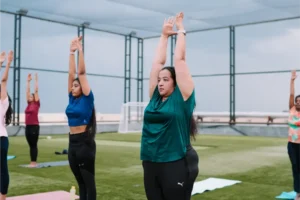
Small group yoga classes in Chennai provide a balanced learning experience by combining personalized instruction with the motivation of practicing alongside a few participants. Unlike large classes, small groups allow instructors to observe individual movement, provide guidance, and adapt sessions while maintaining a welcoming community atmosphere. Participants can choose indoor studios, outdoor sessions, online classes, or hybrid formats depending on their schedules and preferences. In Chennai, options such as Outdoor Yoga Chennai offer structured outdoor and online yoga sessions designed for learners with different experience levels and wellness goals.
Why Small Group Yoga Classes Are Becoming Popular in Chennai
Yoga has evolved from being a traditional practice to becoming an important part of modern wellness. Across Chennai, people are increasingly looking for learning environments that provide expert guidance without the size and pace of large fitness classes.
Small group yoga has emerged as a practical solution because it combines the advantages of personalized coaching with the encouragement of practicing alongside others.
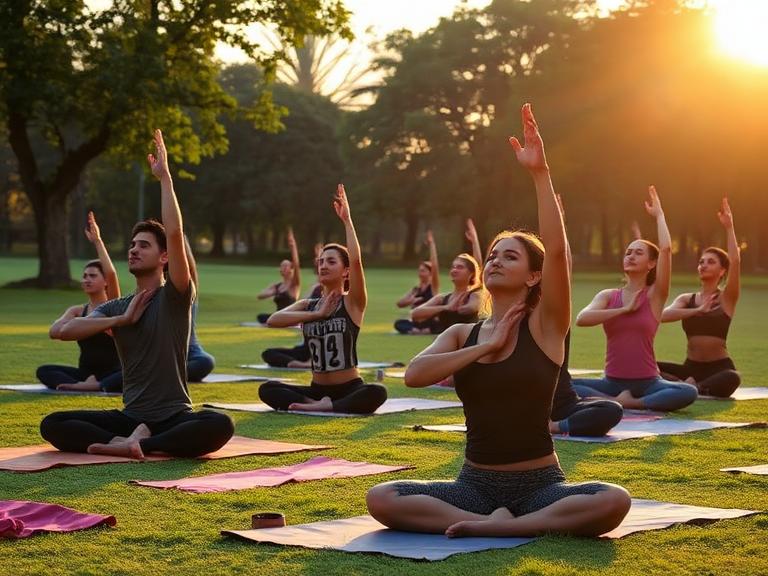
Unlike large classes where instructors divide attention among many participants, smaller groups usually consist of five to fifteen learners. This enables teachers to observe alignment, demonstrate postures more clearly, and provide feedback without making the session feel overly formal or rushed.
For beginners, this environment often feels less intimidating than a crowded studio. Participants have more opportunities to ask questions, understand breathing techniques, and develop confidence at a comfortable pace.
Professionals with demanding schedules also appreciate the flexibility that many small-group programs offer. Early morning sessions, evening batches, weekend classes, and outdoor practices allow learners to incorporate yoga into their daily routines without significant disruption.
As awareness of holistic wellness continues to grow, more residents are choosing yoga not simply as exercise but as part of a balanced lifestyle that includes mindful movement, breathing awareness, and relaxation practices.
What Are Small Group Yoga Classes?
Small group yoga classes involve instruction delivered to a limited number of participants rather than large classes with dozens of attendees.
The smaller class size creates opportunities for greater interaction between instructors and learners while maintaining the supportive energy of group practice.
These sessions generally focus on:
- Correct posture and alignment
- Breathing awareness
- Gradual skill development
- Flexibility and mobility
- Mindfulness
- Consistency in practice
The emphasis remains on learning safely while progressing at a comfortable pace rather than competing with others.
Benefits of Small Group Yoga Classes
More Individual Attention
One of the biggest advantages of smaller classes is the ability of instructors to observe each participant more closely.
Instead of demonstrating movements from a distance, instructors can provide practical guidance, answer questions, and suggest modifications where appropriate.
This makes learning easier, particularly for beginners.
Comfortable Learning Environment
Many people hesitate to join large yoga studios because they worry about keeping pace with experienced participants.
Smaller groups create a relaxed atmosphere where learners often feel more comfortable asking questions and practicing at their own speed.
This supportive setting encourages consistency rather than perfection.
Better Instructor Interaction
Instructors have more opportunities to communicate with each participant.
This interaction may include:
- Demonstrating techniques
- Explaining breathing practices
- Offering posture corrections
- Discussing progress
- Adjusting session intensity
Such interaction contributes to a more engaging learning experience.
Community Without Crowds
Yoga is often described as a personal practice, but learning alongside a small group can also be motivating.
Participants frequently develop a sense of community by practicing with familiar faces each week.
Unlike larger classes where participants may rarely interact, smaller groups naturally encourage conversation before and after sessions.
Many learners find this supportive environment helpful for maintaining regular attendance.
Greater Flexibility in Teaching
Smaller groups allow instructors to adapt the pace of the session more easily.
If several participants are beginners, additional time can be spent explaining foundational postures.
If the group has more experience, sessions may include greater variety while still ensuring safe progression.
This flexibility is one of the reasons many people choose small-group coaching over larger fitness-style classes.
Types of Small Group Yoga Classes Available in Chennai
Yoga instructors now offer several formats to suit different lifestyles and preferences.
Outdoor Yoga Sessions
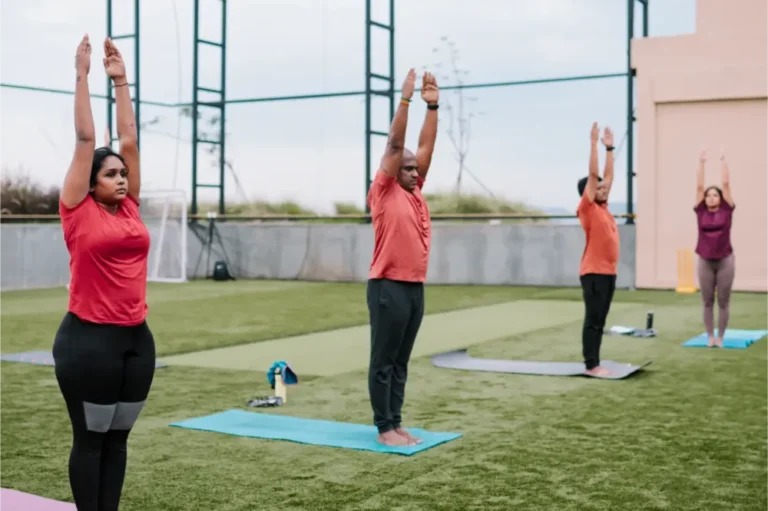
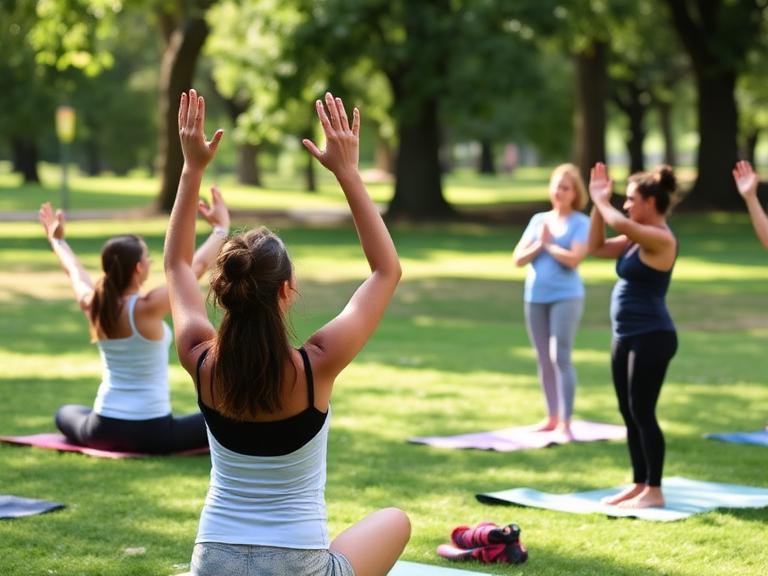
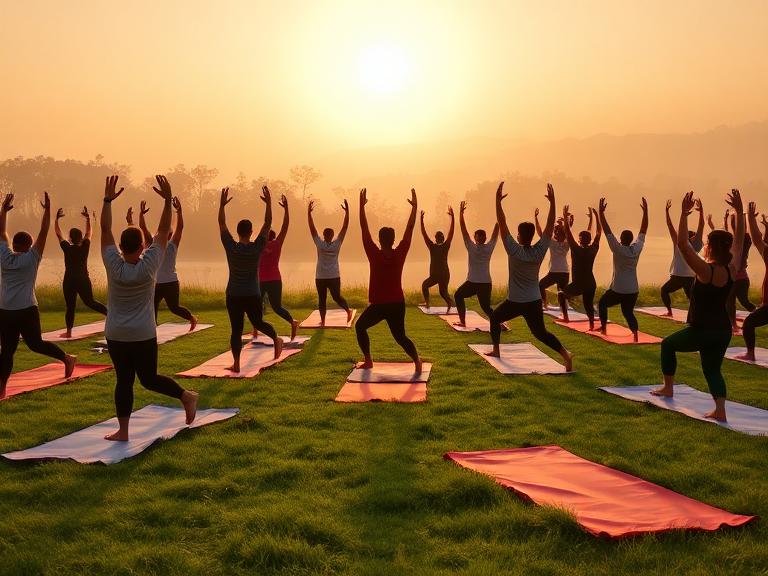
Practicing yoga in open spaces has become increasingly popular among individuals who enjoy natural surroundings.
Outdoor sessions often take place in parks, gardens, or other peaceful environments where participants can focus without the distractions of indoor settings.
Morning outdoor classes are especially popular because of the comfortable temperatures and quieter surroundings.
Studio-Based Small Groups
Dedicated yoga studios provide structured learning environments equipped with yoga mats, props, and comfortable practice areas.
These classes suit individuals who prefer indoor instruction with minimal interruptions.
Online Small Group Classes
Virtual coaching allows participants to join live sessions from home while still benefiting from interaction with both instructors and fellow learners.
Online small groups often maintain limited class sizes so instructors can continue providing individual feedback.
Hybrid Programs
Many wellness providers now combine online and in-person sessions.
This approach gives learners greater flexibility while helping them maintain consistency during travel or busy work periods.
Beginner-Friendly Programs
Beginners often benefit from dedicated small-group batches that introduce yoga gradually.
These sessions usually emphasize:
- Foundational postures
- Breathing techniques
- Balance
- Coordination
- Relaxation
- Mindful movement
Learning alongside other beginners can make the experience more enjoyable and less overwhelming.
What to Look for in a Good Small Group Yoga Class
Choosing the right yoga class is about more than convenience or price. A well-structured small group class should encourage consistent practice while providing enough individual attention for every participant. Whether you are completely new to yoga or already have experience, evaluating a few essential factors before joining a class can help you find a program that aligns with your goals.
Qualified and Experienced Instructors
The instructor has the greatest influence on the overall learning experience. Look for teachers who have completed recognised yoga training and continue to update their knowledge through workshops or advanced certifications.
Experienced instructors generally:
- Demonstrate poses clearly
- Explain breathing techniques
- Encourage gradual progression
- Adapt movements for different experience levels
- Create a welcoming learning environment
Rather than focusing only on advanced postures, good instructors emphasise safe practice, body awareness, and consistency.
Small Class Size
The advantage of joining a small group lies in the level of interaction between participants and instructors.
Ideally, classes should have enough participants to create a sense of community while remaining small enough for instructors to observe everyone individually.
Smaller groups often provide:
- Better posture correction
- More opportunities to ask questions
- Comfortable learning pace
- Individual feedback
- Improved instructor interaction
Structured Learning
A well-designed session usually follows a logical sequence.
Typical classes include:
- Gentle warm-up
- Breathing exercises
- Foundational yoga poses
- Balance and flexibility practice
- Relaxation
- Closing mindfulness
A structured approach helps participants build confidence gradually.
Safety and Adaptability
Everyone begins yoga with different levels of flexibility and mobility.
A quality instructor should adapt sessions when necessary instead of expecting every participant to perform identical movements.
This encourages sustainable learning while helping participants practice comfortably.
Convenient Location
Consistency often depends on convenience.
When selecting a yoga class, consider:
- Distance from home
- Workplace accessibility
- Parking availability
- Public transport
- Online learning options
Reducing travel time makes it easier to maintain a regular wellness routine.
Who Benefits Most From Small Group Yoga Classes?
Small group yoga coaching supports people from many different backgrounds.
Working Professionals
Busy work schedules make flexible group sessions an attractive option. Morning and evening classes allow professionals to maintain healthy routines without disrupting work commitments.
Beginners
Learning alongside a few participants often feels less intimidating than joining a large studio class.
Beginners benefit from:
- Individual guidance
- Comfortable pace
- Regular instructor feedback
- Supportive atmosphere
Women
Women looking for flexible wellness routines often appreciate the balance between community interaction and personalized instruction offered by smaller classes.
Seniors
Older adults frequently prefer smaller classes because instructors can provide additional guidance while adapting movements according to comfort and mobility.
Students
Students benefit from stress-conscious wellness routines that fit around academic schedules and examinations.
Individuals Seeking Mindful Living
Many participants choose yoga simply to establish healthier daily habits through mindful movement, breathing awareness, and relaxation practices.
When Online or Outdoor Small Group Yoga Makes Sense
Different learning environments suit different lifestyles.
Online Classes
Ideal for:
- Remote professionals
- Frequent travellers
- Parents
- Students
- Busy schedules
Outdoor Yoga
Outdoor sessions provide an opportunity to practice in natural surroundings while enjoying fresh air and open spaces.
In Chennai, options such as Outdoor Yoga Chennai provide structured outdoor and online sessions that illustrate how flexible yoga formats can accommodate varying schedules and learning preferences.
Studio Sessions
Studio-based classes remain suitable for learners who enjoy dedicated practice spaces with minimal distractions.
Tips for Choosing the Right Class
- Define your learning goals.
- Attend a trial session if available.
- Ask about instructor qualifications.
- Observe class size.
- Choose convenient timings.
- Practice consistently.
- Prioritize learning over speed.
- Select a comfortable environment.
Common Mistakes to Avoid
- Choosing classes only because they are inexpensive.
- Expecting immediate results.
- Comparing progress with others.
- Ignoring instructor qualifications.
- Practicing inconsistently.
- Skipping warm-up exercises.
- Attempting advanced poses too quickly.

Conclusion
Small group yoga classes in Chennai provide an excellent balance between individualized guidance and community learning. Whether practicing indoors, outdoors, or online, smaller class sizes allow instructors to provide meaningful feedback while helping participants develop confidence at their own pace.
Choosing an experienced instructor, maintaining a consistent routine, and selecting a format that fits your lifestyle are the foundations of a sustainable yoga practice. Rather than pursuing rapid progress, learners often benefit most from steady, mindful practice supported by a welcoming learning environment.