Table of Contents
Evening Yoga Classes in Chennai | A Practical Guide
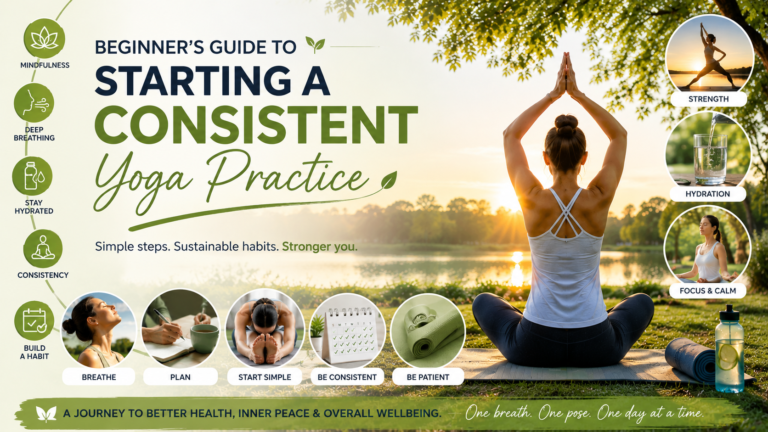
Evening yoga classes in Chennai can suit people who prefer to practise after work, college or other daytime responsibilities. Depending on the provider, options may include gentle yoga, beginner classes, small-group sessions, meditation and outdoor practice. When choosing a class, consider the start time, travel distance, instructor’s experience, session intensity and your comfort after a busy day. Beginners can start gradually and choose a class that allows modifications and rest. A consistent, manageable routine is generally more practical than selecting a demanding schedule that is difficult to maintain.

Introduction
For many people in Chennai, the day does not end when office hours finish. Commuting, household responsibilities, studies and family commitments can fill much of the evening. Finding time for physical activity and relaxation may therefore require a routine that fits around these responsibilities.
Evening yoga can be one option. It gives participants an opportunity to step away from work, move their bodies and dedicate time to a structured activity before the day ends. Depending on the class, practice may include gentle stretches, standing postures, balance exercises, breathing techniques and guided relaxation.
The appeal of evening yoga is not limited to office employees. Students, freelancers, remote workers, homemakers and people with daytime commitments may also find evening sessions convenient.
However, choosing the right class involves more than finding a convenient time. A suitable programme should match the participant’s experience, physical ability, travel arrangements and preferred teaching style. It should also allow enough time to get home and prepare for sleep without making the evening unnecessarily rushed.
This guide explores evening yoga classes in Chennai, the different formats available, potential benefits, practical selection criteria and ways to build a sustainable routine.
1. Why Consider Evening Yoga in Chennai?
An evening session can provide a planned break between daytime responsibilities and personal time. Its suitability depends on individual schedules, energy levels and preferences.
1.1 A practical option after work
People who work regular daytime hours may find it easier to attend a class after finishing their professional responsibilities. An evening schedule can also reduce the need to wake up unusually early to fit in exercise.
For employees with fixed office timings, a class close to home or along their usual commuting route may be particularly practical. Those whose working hours frequently change may prefer providers that offer flexible bookings or multiple session timings.
1.2 Time to move after sitting
Many jobs involve long periods at a desk or in front of a computer. After work, a suitable yoga session can provide an opportunity to practise controlled movement and gentle stretching.
Depending on the class, participants may work through movements involving the shoulders, hips, legs and back. These activities should be performed within a comfortable range and should not be forced.
Yoga should complement movement during the working day rather than replace it. Standing up, changing position and taking short walks when possible remain useful habits.
1.3 A transition from work to personal time
Switching from professional responsibilities to personal life can be difficult, particularly when work messages and unfinished tasks remain on the mind.
A scheduled class can create a boundary between work and leisure. The combination of movement, focused attention and breathing may help some people feel more settled after a demanding day.
Individual responses vary, and yoga should not be presented as a guaranteed treatment for work-related stress or mental health conditions.
1.4 A routine that fits different lifestyles
Evening yoga is not exclusively for people who work in offices. Students may attend after college, freelancers may practise after completing assignments, and people working from home may use a class as a reason to leave their usual workspace.
The main consideration is whether the session fits comfortably into the rest of the evening. A routine that consistently conflicts with dinner, family commitments or sleep may be difficult to sustain.
1.5 An opportunity to learn in a group
Some people prefer practising with others rather than following an independent routine at home. A group class provides a shared learning environment where an instructor guides participants through a sequence.
For beginners, group instruction can introduce basic postures and breathing practices in a structured way. The level of individual attention depends on the instructor, group size and class design.
Before enrolling, ask whether the class welcomes beginners and offers modifications for participants with different levels of experience.
2. Types of Evening Yoga Classes Available
Yoga programmes differ in their teaching style, pace, duration and setting. Understanding these differences can help participants select an evening class that meets their needs.
2.1 Gentle evening yoga
Gentle yoga usually emphasises controlled movement, comfortable stretching, basic postures and relaxation rather than fast sequences or demanding physical effort.
It may be a useful starting point for beginners, people returning to activity after a break, or participants who prefer a less vigorous class. However, the term “gentle” can mean different things to different providers, so it is worth asking about the actual sequence and intensity.
A well-structured session should allow participants to rest, use modifications and avoid movements that cause pain.
2.2 Beginner-friendly evening yoga
A beginner class typically introduces foundational movements and explains how to follow instructions safely.
Participants may learn basic standing and seated postures, simple balance exercises, breathing awareness and relaxation techniques. The instructor should explain alternatives instead of expecting everyone to achieve the same range of movement.
Beginners do not need to be flexible before joining yoga. They should, however, choose a programme that matches their current ability and communicate relevant physical limitations.
2.3 Hatha yoga in the evening
Hatha yoga classes commonly involve postures, controlled transitions and attention to breathing. The pace and intensity depend on the instructor and the particular class.
For some participants, a class that pauses between postures provides a manageable introduction to regular practice. Others may prefer a more dynamic format.
Ask whether the session is intended for beginners, mixed levels or experienced participants before making a booking.
2.4 Yoga and meditation sessions
Some evening programmes combine yoga postures with breathing exercises, mindfulness or guided meditation.
This format may appeal to people who want a session that includes both movement and a quieter period of reflection. The balance between physical practice and meditation varies by provider.
Participants who are new to meditation can ask whether the instructor offers clear guidance and whether the session requires any previous experience.
2.5 Small-group evening yoga
Small-group classes allow participants to learn alongside others while receiving instruction from a teacher.
Depending on group size and teaching style, participants may have opportunities to ask questions and understand modifications. Group classes can also introduce a regular appointment into the week.
When evaluating a small-group session, consider whether the instructor can observe participants adequately and respond to individual needs.
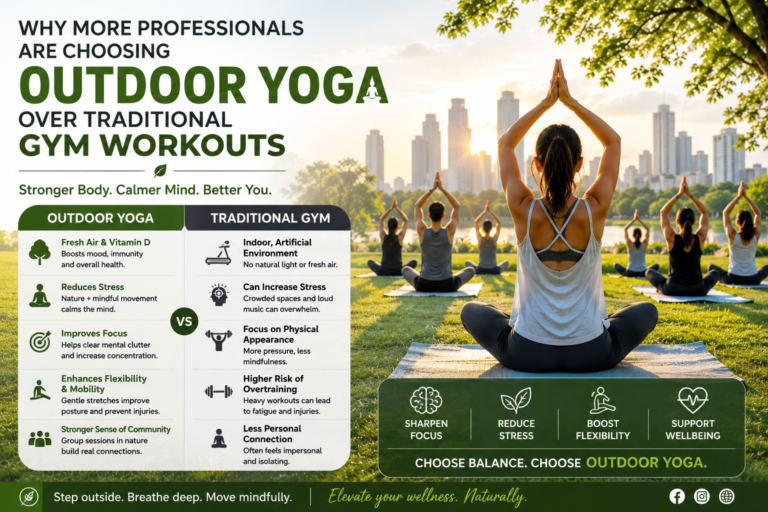
2.6 Outdoor evening yoga
Outdoor sessions offer an alternative to indoor classes. Depending on local facilities and permissions, they may take place in suitable open spaces, gardens or other designated venues.
Some participants enjoy the change of setting after spending the day indoors. However, evening conditions in Chennai can vary, and heat, humidity, rain, insects, lighting and ground conditions should be considered.
Check the venue, available lighting, surface safety, weather arrangements and the provider’s cancellation policy before attending an outdoor session.
2.7 Online evening yoga
Online classes can be convenient for people who have long commutes, unpredictable schedules or limited access to nearby venues.
Practising at home removes travel time and can make it easier to attend a session after work. At the same time, instructors may have limited ability to observe posture and movement through a screen.
Choose a class with clear demonstrations and accessible modifications. Beginners should avoid attempting difficult postures without appropriate guidance.
3. Potential Benefits of Evening Yoga
Evening yoga combines movement with focused attention and, in some classes, breathing and relaxation practices. Its effects vary depending on the individual, teaching approach, consistency and physical ability.
3.1 Supporting flexibility and mobility
Many yoga sequences include stretches and controlled movements for different parts of the body. After a day spent sitting, these movements can provide an opportunity to explore comfortable ranges of motion.
Participants should avoid forcing a stretch to match the instructor or other students. Flexibility develops differently for different people, and a posture does not need to look advanced to be useful.
3.2 Creating space for relaxation
An evening session may offer a dedicated period away from work notifications, screens and daily demands. Classes that incorporate slow movement, breathing awareness or guided relaxation can help some people feel more relaxed.
This experience is not guaranteed, and yoga does not replace professional support for persistent stress, anxiety or other health concerns.
3.3 Encouraging regular physical activity
A scheduled class can make movement a planned part of the week. Participants who struggle to exercise in the morning may find that an evening appointment is easier to maintain.
Yoga’s contribution to overall physical activity depends on the style and intensity. Some classes are gentle, while others are more physically demanding. People can choose an appropriate format based on their needs and other activities.
3.4 Developing body awareness
Yoga instruction often encourages people to notice their breathing, balance, movement and physical comfort.
This can help participants recognise when they need to modify a position or take a rest. The emphasis should be on responding appropriately to the body rather than pushing through discomfort to complete a sequence.
3.5 Supporting a consistent bedtime routine
For some people, a gentle evening activity can become part of a predictable transition toward rest. However, the effect on sleep depends on the individual, session intensity and timing.
A vigorous class immediately before bed may feel stimulating to some participants. If sleep is a priority, consider a comfortable session that finishes with enough time to unwind. Persistent sleep difficulties should be discussed with a healthcare professional.
3.6 Providing a social learning environment
Group classes offer opportunities to practise alongside other people. Some participants appreciate having a regular class time and familiar group, which may help them stay engaged.
Social interaction should be considered an optional benefit rather than a requirement. Private instruction or online practice may be more appropriate for people who prefer an individual setting.
4. How to Choose the Right Evening Yoga Class in Chennai
A suitable programme should be convenient, appropriately taught and comfortable for your current ability.
4.1 Check the actual class timing
An evening class might begin soon after office hours or later in the evening. Choose a time that allows you to finish work, travel to the venue and return home without excessive rushing.
Before booking, confirm the start time, session length, arrival requirements and whether the class runs on the same schedule throughout the week.
If your work routinely finishes late, a flexible or online programme may be more realistic than a fixed in-person class.
4.2 Consider the location and commute
Travel time can strongly influence whether a class remains convenient over the long term. A nearby venue may be preferable to one that requires a difficult cross-city journey.
Depending on your location, you can explore options in areas such as Adyar, Velachery, T. Nagar, Thiruvanmiyur and other Chennai neighbourhoods.
Check the exact address and travel conditions at the time you expect to attend. Also consider public transport, parking where relevant, safe access after dark and the journey home.
4.3 Look for suitable instructor training
An instructor should be able to explain movements clearly, offer appropriate modifications and respond respectfully to participants’ questions.
For a beginner, clear guidance is especially important. Ask about the instructor’s training, experience teaching new students and approach to participants who need simpler alternatives.
Be cautious of classes that promise guaranteed health outcomes or encourage participants to ignore pain.
4.4 Match the class intensity to your ability
Not all evening yoga classes are relaxing or low intensity. Some include flowing sequences, longer holds or challenging balance work.
If you are new to yoga, returning after a long break or unsure about your physical ability, start with a suitable introductory session. You can explore other styles as your confidence and experience develop.
People with existing medical conditions, recent injuries or other specific health concerns should seek appropriate healthcare advice about participation.
4.5 Ask about class size
The appropriate class size depends on the teaching format and your preference. A small group may provide more opportunities to ask questions, while a larger class may offer a group environment that some people enjoy.
Ask how the instructor supports beginners and whether modifications are demonstrated. The quality of instruction matters more than class size alone.
4.6 Compare fees and booking policies
Fees may differ according to the instructor, session duration, location, format and package structure.
Before committing to a course, check:
- The fee per class and any package conditions.
- Whether trial sessions are available.
- The cancellation and rescheduling policy.
- Whether missed sessions can be carried forward.
- Whether equipment is provided.
- Whether outdoor sessions change during unsuitable weather.
- Whether online and in-person classes are both offered.
Clear information helps you compare programmes based on practical value rather than advertising alone.
5. Is Evening Yoga Suitable for Different Age Groups and Lifestyles?
Evening classes can appeal to different groups, but the right session depends on individual circumstances.
Working professionals
Office employees, IT professionals and people with client-facing roles may prefer an after-work session that provides time for movement away from the desk.
Those with unpredictable meetings may benefit from flexible bookings or classes available on multiple days.
College students
Students may find evening sessions convenient after lectures or study commitments. A beginner-friendly class can introduce movement and relaxation without requiring prior yoga experience.
The session should fit alongside academic work, meals and adequate sleep.
People working from home
Remote workers may spend long periods in the same home environment. An evening class can create a planned break from the working space, whether it takes place online or at a nearby venue.
Adults returning to physical activity
People returning to exercise after a break should choose a class that starts at a comfortable level. They should tell the instructor about relevant limitations and avoid trying to match more experienced participants.
Older adults
Some older adults may prefer classes that emphasise balance, controlled movement and accessible modifications. Suitability depends on individual mobility and health, so instructor experience and appropriate professional advice are important where needed.
6. How to Build a Sustainable Evening Yoga Routine
A routine is more likely to last when it fits your actual schedule.
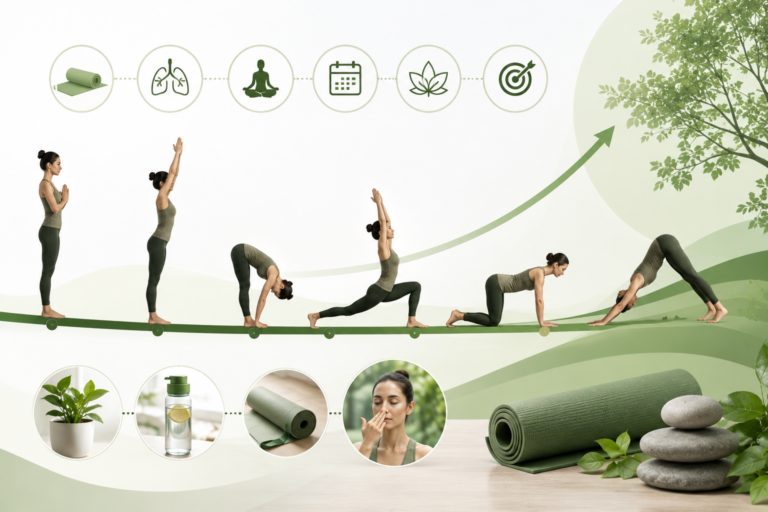
Step 1: Choose your preferred days
Review your typical week and identify days when work and personal responsibilities are relatively predictable. Start with a realistic number of sessions instead of trying to attend every evening.
Step 2: Allow enough time for travel
Account for Chennai traffic, parking or public transport, changing clothes and arriving before the class starts. If travel makes an in-person session difficult, consider an online alternative.
Step 3: Begin with an appropriate class
Choose a beginner-friendly or gentle class if you are new to yoga. Explain your experience level to the instructor and follow the suggested modifications.
Step 4: Prepare comfortably
Wear clothing that allows free movement and bring a mat and water if required. Follow the provider’s instructions about meals and preparation.
For outdoor practice, check the weather and venue conditions. Avoid sessions in unsafe heat or other unsuitable conditions.
Step 5: Pay attention to how you feel
After a class, consider whether the intensity, duration and timing suit you. A class that consistently leaves you feeling uncomfortably exhausted or interferes with sleep may need adjustment.
Stop if you experience sharp pain, dizziness or unusual symptoms, and seek appropriate medical advice when necessary.
Step 6: Review your schedule regularly
Workloads change. If your usual class time becomes impractical, consider another day, a different location, a shorter session or online practice.
Missing a class occasionally does not mean you have failed. The aim is to create a routine that can adapt to everyday life.
7. Common Mistakes to Avoid
Choosing a class only because it is nearby: Location matters, but teaching quality, intensity and suitability are equally important.
Assuming all evening sessions are gentle: Ask about the class format and pace before enrolling.
Eating a large meal immediately before practice: Follow the instructor’s guidance and choose a schedule that feels comfortable for your body.
Pushing through pain: Yoga should not require forcing a posture or ignoring warning signs. Use modifications and stop when necessary.
Expecting instant results: Physical comfort, relaxation and progress vary between individuals. Avoid providers who promise guaranteed outcomes.
Attending too late for your routine: Consider whether the class leaves enough time for your journey home, meals and sleep.
Treating yoga as a substitute for healthcare: Yoga can form part of a broader wellbeing routine, but it does not replace medical assessment or treatment.
8. Finding Evening Yoga Options in Chennai
When searching for evening yoga classes in Chennai, begin with the areas that fit your regular travel route. Compare providers based on current timings, teaching style, class size, experience level and fees.
You may prefer an indoor studio if you want a consistent environment, an outdoor session if you enjoy open spaces, or an online class if travel is inconvenient. Each format has different practical considerations.
Outdoor Yoga Chennai is one example of a local option associated with outdoor yoga and wellness sessions. As with any provider, confirm the current timetable, location, teaching format and availability directly before planning to attend.
A good decision comes from matching the class to your schedule and needs rather than assuming one type of yoga is suitable for everyone.
Conclusion
Evening yoga classes in Chennai can provide a practical opportunity to include movement and relaxation after a busy day. Options may include gentle yoga, beginner sessions, Hatha yoga, meditation-based classes, small groups, outdoor practice and online instruction.
The most suitable programme depends on your schedule, location, experience and preferred intensity. Check the instructor’s training, confirm the class timing and choose a format that feels manageable.
Start gradually, respect your physical limits and allow your routine to adapt as work and personal commitments change. A comfortable, consistent approach is more useful than pursuing an unnecessarily demanding schedule.
9. Frequently Asked Questions
1. What are the benefits of evening yoga classes in Chennai?
Evening yoga provides a planned opportunity for movement after daytime responsibilities. Depending on the class, it may include stretching, balance exercises, breathing practices and relaxation. Individual experiences vary.
2. Are evening yoga classes suitable for beginners?
Yes. Beginners can look for introductory or gentle classes that explain basic postures and provide modifications. No previous yoga experience or advanced flexibility is required.
3. What is the best time to attend an evening yoga class?
The best time depends on your work schedule, commute, energy levels and bedtime. Choose a session that allows you to attend without rushing and leaves enough time for your evening routine.
4. Can working professionals attend yoga classes after office hours?
Yes. Evening sessions may suit professionals who cannot exercise before work. Check the provider’s timetable and choose a location or online format that fits your regular working hours.
5. Which types of yoga are suitable for evening practice?
Gentle yoga, beginner Hatha yoga, basic stretching-focused sessions and classes that incorporate relaxation may suit some evening participants. Class intensity varies, so confirm the format with the instructor.
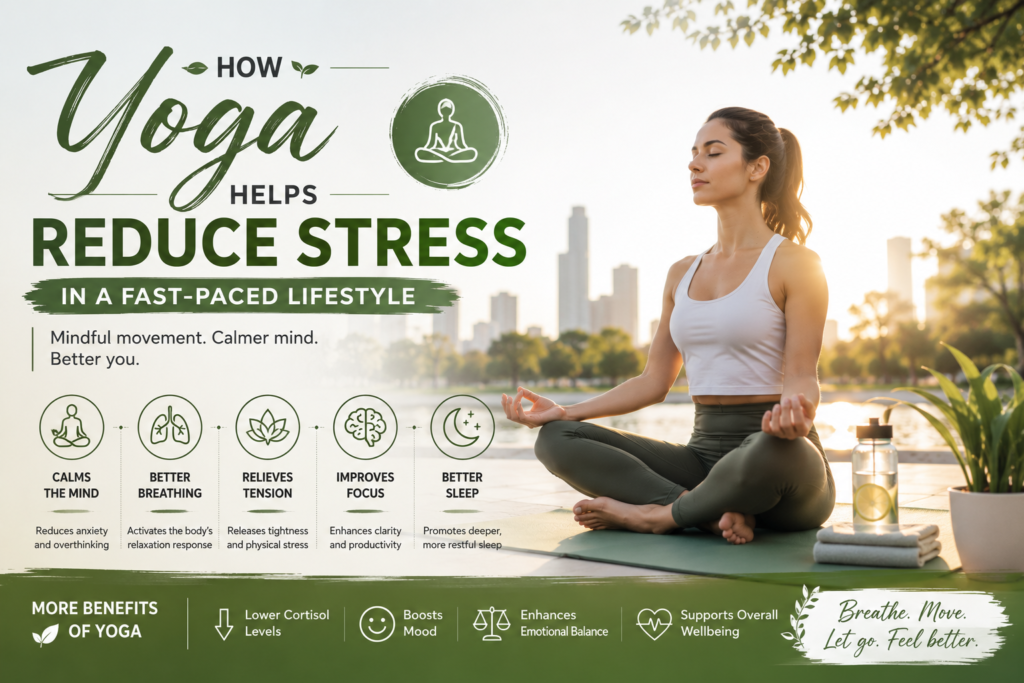
6. Can evening yoga help with work-related stress?
Mindful movement, breathing exercises and relaxation may help some people feel calmer. Yoga is not a guaranteed treatment for stress or mental health conditions, and professional support may be appropriate when symptoms persist.
7. Are outdoor evening yoga classes available in Chennai?
Outdoor yoga is an option to explore with local providers. Confirm the current venue, schedule, permissions and weather arrangements before attending, particularly during periods of heat or rain.
8. Should I eat before an evening yoga class?
Meal timing depends on the individual and session intensity. A large meal immediately before practice may feel uncomfortable for some people. Follow the instructor’s guidance and choose an arrangement that suits your needs.
9. How often should I attend evening yoga classes?
Frequency depends on your experience, health, schedule and the class intensity. Beginners may start with one or two sessions per week and adjust gradually according to comfort and appropriate guidance.
10. What should I bring to an evening yoga session?
You may need comfortable clothing, a yoga mat and drinking water. Check with the provider about equipment, changing facilities and any specific preparation instructions.
11. Are online evening yoga classes a good option?
Online sessions can reduce travel time and provide scheduling flexibility. Choose an instructor who demonstrates movements clearly, explains modifications and encourages participants to practise within their limits.
12. How can I find evening yoga classes near my home or workplace?
Search by neighbourhood and verify the exact venue, current timetable, travel time and fees directly with providers. Choosing a convenient location may make regular attendance easier.
13. Can older adults attend evening yoga classes?
Some older adults may find suitable classes that focus on controlled movement, balance and accessible modifications. Individual health and mobility should guide the choice, and professional advice may be necessary for specific concerns.
14. Does evening yoga improve sleep?
Some people find a gentle evening routine relaxing, but effects on sleep vary. Consider the intensity and timing of the class, and consult a healthcare professional if sleep difficulties persist.
15. How much do evening yoga classes in Chennai cost?
Fees vary according to the instructor, location, session duration, group size and package. Contact providers for current prices and check trial options, cancellation policies and what the fee includes.
16. What should I look for in an evening yoga instructor?
Look for relevant training, teaching experience, clear instructions, safe modifications and a respectful approach to different ability levels. Avoid instructors who encourage you to ignore pain or promise guaranteed health outcomes.
17. Can I join yoga if I have not exercised for a long time?
You may be able to start with an appropriate beginner class, depending on your health and physical ability. Begin gradually, tell the instructor about relevant limitations and seek medical advice if you have health concerns or recent injuries.
18. Is evening yoga better than morning yoga?
Neither is universally better. Evening classes may fit people with busy mornings, while morning classes may suit those who prefer to exercise before work. The most appropriate time is one that fits your routine and personal comfort.